
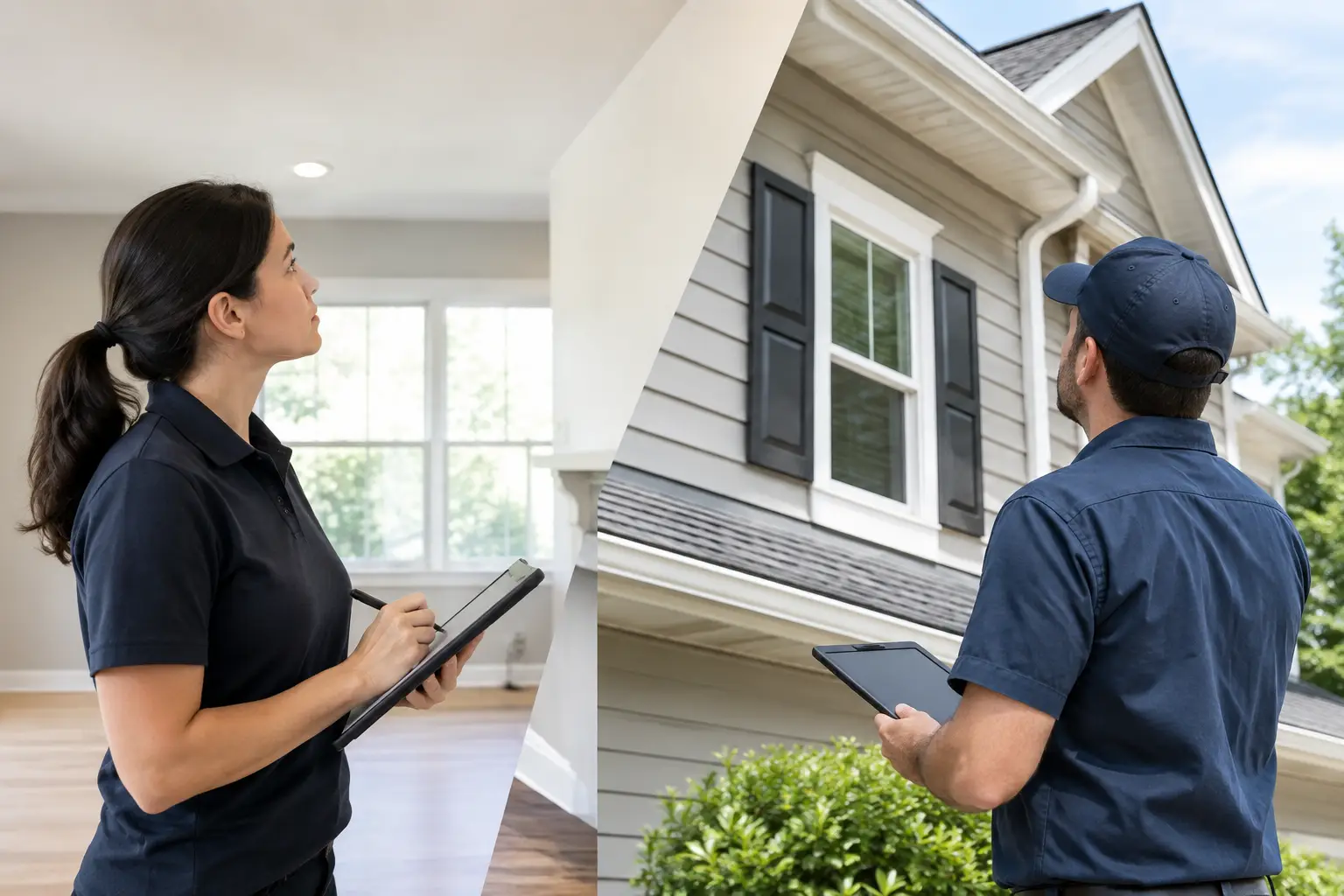
A luxury residence can appear perfectly secure from the street while a small concern develops behind a closed door: a silent leak beneath a vanity, an HVAC issue during an Arizona heat spell, or irrigation overspray collecting where it should not. Interior exterior inspection reporting turns those unseen details into a clear, accountable record, so homeowners are not left relying on assumptions while they are away.
For seasonal and absentee owners, a property check should provide more than reassurance that someone visited. It should show what was inspected, document what was observed, and establish what happened next if a concern required attention. That distinction is where professional property oversight earns its value.
Why Interior Exterior Inspection Reporting Matters
A residence left vacant faces a different risk profile than an occupied home. Daily routines normally reveal subtle changes quickly: an unusual odor, a dripping sound, a pool system alert, a gate left ajar, or a cooling system that is not performing as expected. When no one is present, even a minor issue can remain undetected until it becomes disruptive and costly.
A structured report creates continuity. Each visit becomes part of an ongoing record of the home’s condition, rather than an isolated walkthrough. That record helps identify changes over time, confirms that essential areas received attention, and gives the homeowner a factual basis for decisions from another state or country.
For discerning homeowners, documentation is also a matter of accountability. A verbal update may be pleasant, but it cannot compare with a detailed, time-stamped report supported by photographs and clear observations. When a vendor needs to be called, the homeowner should understand the concern without having to reconstruct the situation through several messages.
What a Properly Structured Inspection Covers
The best inspection reporting is methodical without becoming intrusive. It follows a consistent process tailored to the property’s systems, features, and seasonal needs. A condominium may require particular attention to interior plumbing, HVAC performance, balconies, and building-related coordination. A larger Scottsdale estate may also require close observation of gates, landscape irrigation, pools, exterior drainage, and perimeter conditions.
Interior observations protect the systems you cannot see from outside
Interior inspections focus on the parts of a residence most vulnerable to unnoticed failure. This commonly includes checking for signs of water intrusion around sinks, toilets, water heaters, ceilings, and mechanical areas; confirming appropriate HVAC operation; observing refrigerator, freezer, and appliance status; and noting unusual odors, humidity, or visible changes.
The purpose is not to perform licensed repair work during an inspection. It is to recognize conditions that merit attention early and communicate them precisely. A faint stain at a ceiling corner, for example, may warrant a closer look before it becomes drywall damage. An HVAC concern may call for a qualified technician before a vacant home is exposed to prolonged heat.
Interior reporting should also account for security and livability. Doors, windows, alarms where applicable, lighting, and signs of unauthorized entry deserve careful observation. In a luxury home, discretion is essential: the process should be thorough while respecting the privacy of the residence and its contents.
Exterior observations safeguard the property from the perimeter inward
Exterior conditions can change quickly in the Sonoran Desert. Wind, monsoon weather, intense sun, irrigation failures, and landscape issues may affect a home long before an owner returns. An exterior review considers visible roofline and drainage concerns, doors and windows, perimeter gates, garage areas, pool and spa conditions where applicable, landscaping, irrigation evidence, and signs of storm impact.
A strong report does not overstate what can be seen from the ground. It distinguishes between an observation and a diagnosis. For example, visible debris near a drainage area is an observation. Determining whether a roof or drainage system requires repair is a matter for the appropriate qualified vendor. This measured approach protects the homeowner from both neglect and unnecessary alarm.
The Difference Between a Walkthrough and Professional Reporting
Not every home watch service applies the same standard. A casual visit may confirm that the house is standing and the lights work. Professional interior exterior inspection reporting is designed to answer more useful questions: What was checked? What was found? Is the condition unchanged, improved, or concerning? What evidence supports that conclusion? Who was notified, and what action is recommended?
This level of clarity matters most when something is not right. A report should make it easy to understand the location and nature of an issue, supported by relevant photographs rather than an overwhelming stream of images. The objective is not to create anxiety. It is to provide enough context for an owner to authorize next steps with confidence.
At I Watch 4 You, structured inspections supported by HomeWatchIT® help bring that consistency to every visit. Time-stamped reporting provides a reliable record, while attentive local oversight allows concerns to be escalated promptly and handled with appropriate discretion.
What Makes a Report Useful From Afar
A useful report is concise enough to review easily, yet detailed enough to be meaningful. It should be organized in a familiar format each visit, so homeowners can quickly see whether conditions remain stable. Photographs should support the written notes, particularly when documenting an exception, a vendor visit, or a condition that may need monitoring.
Consistency is especially valuable for owners who travel frequently or spend months away. When reports arrive in the same structured format, a homeowner does not need to wonder whether a key area was overlooked. The inspection process itself becomes dependable.
The report should also separate normal observations from action items. A property is not a static object, and minor changes do not always require a vendor call. A polished service provider uses judgment. Some items should be monitored at the next visit; others warrant immediate communication and coordination. The right response depends on the potential for damage, safety implications, the home’s vacancy period, and the owner’s stated preferences.
From Detection to Thoughtful Coordination
Reporting is only the first part of property protection. If a concern is identified, the next question is whether the homeowner has a trusted person on site to coordinate access and follow-through. For an absentee owner, managing a plumber, HVAC technician, pool professional, or landscaper remotely can be inconvenient and uncertain.
White-glove property oversight bridges that gap. With the owner’s authorization, a home watch professional can coordinate vendor access, document the condition before and after service, and communicate progress without forcing the owner to manage every detail from a distance. This is particularly valuable when an issue occurs just before an owner plans to return.
There are boundaries, of course. A home watch provider should not substitute for a licensed trade professional, make repair decisions without appropriate authorization, or promise outcomes beyond the scope of an inspection. What they can provide is responsive observation, organized communication, and a trusted local presence when the home needs attention.
Choosing the Right Reporting Standard for Your Home
Before selecting a home watch provider, ask to understand the reporting process rather than simply the visit frequency. Frequency matters, but a weekly or biweekly visit is only as valuable as the care taken during it. Ask whether reports are time-stamped, whether photographs are included, how exceptions are documented, and how urgent concerns are communicated.
It is also wise to discuss the property’s unique features. A residence with a pool, automated shades, extensive landscaping, specialty appliances, or a guest casita may require a more tailored checklist than a standard condominium. The provider should be willing to define the scope clearly and adjust it as the home’s needs change.
Finally, consider the experience you want when you are away. The highest standard of reporting does not create more work for the homeowner. It reduces uncertainty, gives you visibility without constant involvement, and ensures that your residence is being cared for with the same attention you would expect if you were there.
A well-documented inspection report is more than a record of a visit. It is quiet evidence that someone trustworthy is paying attention to the details that protect your home, your time, and your peace of mind.

