
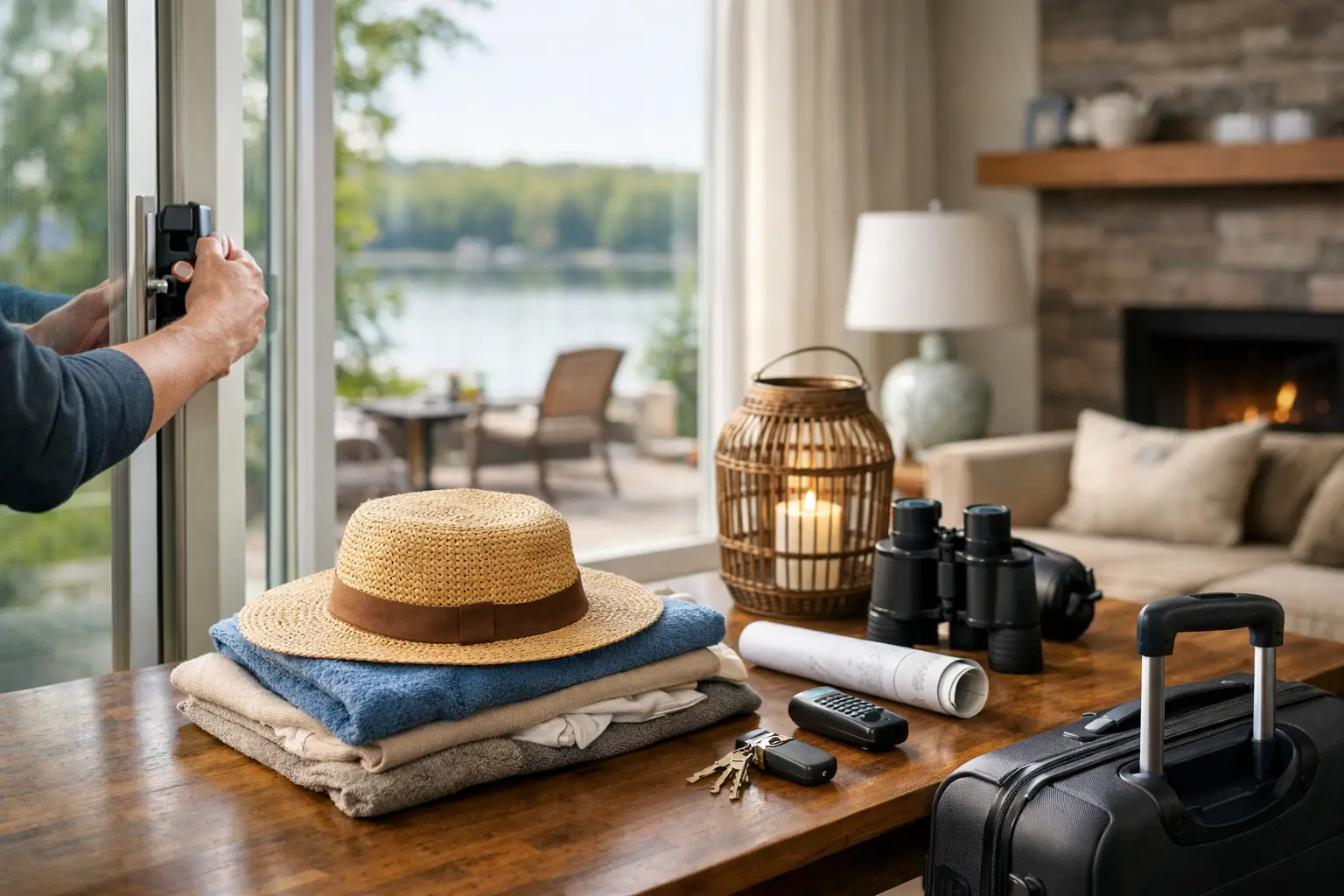
A seasonal residence should feel exactly as you left it: quiet, protected, climate-controlled, and ready when you return. That outcome rarely comes from turning a key, setting an alarm, and hoping for the best. Knowing how to prepare a seasonal home means addressing the small details that can become expensive disruptions when no one is there to notice them.
For luxury homeowners in Scottsdale, Paradise Valley, and Fountain Hills, extended absences require a more deliberate standard of care. Intense heat, monsoon weather, irrigation failures, pool equipment issues, and plumbing leaks can develop quickly. A structured departure plan protects the property itself while preserving the ease and comfort you expect upon your return.
How to Prepare a Seasonal Home With a Departure Plan
The most reliable preparation begins several days before departure, not the morning of your flight. This gives you time to test systems, schedule needed service, and correct anything that deserves attention. Rushing tends to leave the most consequential items unchecked – a slow-draining sink, an aging smoke detector battery, a pool alert, or a landscape valve that has begun to leak.
Create a written departure record that notes the condition of major systems, recent maintenance, vendor contacts, and any outstanding concerns. Photographing key areas can also be useful, particularly mechanical rooms, exterior gates, pool equipment, and spaces containing valuables. A clear baseline makes it easier to identify changes during future inspections.
If several family members, household staff, or advisors are involved, establish one point of contact for decisions. A property should never be left with uncertainty around who may authorize a repair, approve vendor access, or receive urgent updates. Clear authority is part of effective property protection.
Start With Water and Plumbing Protection
Water is among the most common sources of costly damage in an unattended home. A small supply-line leak can affect cabinetry, flooring, drywall, and adjacent rooms long before it becomes visible from the outside.
Before leaving, identify the home’s main water shutoff and decide whether shutting it off is appropriate. For many seasonal residences, turning off the main supply is a sensible precaution. However, the right choice depends on the home’s systems. Some properties have water-dependent equipment, landscape needs, or features that require a more tailored approach. Your plumber or property oversight professional can advise on the correct configuration.
At minimum, inspect beneath sinks, around toilets, behind refrigerators, near water heaters, and around washing machine connections. Look for moisture, corrosion, staining, or a musty odor. Confirm that water sensors, leak detection systems, and automatic shutoff devices are functioning if your home is equipped with them.
Do not overlook exterior water use. Irrigation lines, hose bibs, fountains, and pool autofill systems deserve attention, especially in the Arizona climate. A broken irrigation head may waste substantial water and compromise landscaping; an unnoticed pool equipment issue can affect water quality and create a more involved recovery later.
Set Climate Systems for Protection, Not Comfort
Your HVAC settings should protect finishes, furnishings, and mechanical systems without needlessly running the home as though it were occupied. In a desert residence, excessive heat can place stress on woodwork, artwork, electronics, window treatments, and interior finishes. Too much humidity can also create concerns, depending on the season and the home’s construction.
There is no universal thermostat setting. The appropriate range depends on the residence, the time of year, window exposure, smart-home capabilities, and the materials inside. What matters is maintaining a stable interior environment and ensuring the system can be monitored.
Replace or inspect air filters before departure, and confirm that your HVAC provider has serviced the equipment according to schedule. Test smart thermostats and remote alerts rather than assuming they are connected. A notification is only useful if it reaches the right person and someone can respond locally.
Consider the home’s less-visible climate factors as well. Close blinds or shades where sun exposure is strongest, but avoid creating an appearance of a permanently vacant house. In Arizona, carefully selected window coverings can reduce heat gain and help protect interiors from prolonged sun exposure.
Secure the Exterior Without Neglecting Curb Appeal
A vacant home should look cared for, not closed down. Overgrown landscaping, accumulating flyers, a dark entry, or a gate left ajar can signal that no one is present. The goal is discreet security supported by regular attention.
Confirm that doors, windows, garage access points, side gates, and storage areas are secured. Test alarms, cameras, exterior lighting, and garage door functions. If you use smart locks, review who has access and remove temporary codes that are no longer needed.
Mail, deliveries, and trash arrangements should be handled before departure. Ask a trusted service provider to monitor for items left at the home. For long absences, regular exterior checks matter just as much as technology. Cameras can show an event, but they cannot clear storm debris from a walkway, identify an irrigation leak, or meet a vendor at the gate.
Landscape and pool service should continue on a dependable schedule. Desert landscaping can decline quickly when irrigation is interrupted, while a pool requires consistent chemical balance and equipment oversight. Make sure each vendor has current instructions, access details, and a contact for authorization if an issue is discovered.
Prepare the Interior for a Confident Return
Inside, remove perishable food, empty trash, and clean kitchen surfaces thoroughly. Run the dishwasher, then leave it clean and dry. Small housekeeping steps reduce the chance of odors, pests, and unpleasant surprises after a long absence.
Unplug nonessential electronics and small appliances where practical, while keeping necessary systems powered. This may include internet equipment, security devices, smart-home hubs, garage controls, HVAC monitoring, and water sensors. Labeling key plugs and circuits can prevent confusion if a technician needs to restore or assess a system later.
Walk each room with an eye for things that are easy to miss: open windows, charging devices, candles, loose remotes, valuables left in view, and furniture placed beneath direct sunlight. For particularly valuable artwork, collections, wine storage, or specialty equipment, consider whether the home needs more frequent monitoring or a specific environmental plan.
Arrange Professional Property Oversight
An alarm system and a neighbor’s occasional drive-by are not the same as professional property oversight. Alarms may report an intrusion or system event, but they do not provide structured inspections of plumbing, HVAC performance, visible roof and exterior conditions, landscape health, or the general state of the residence.
A professional home watch service provides a consistent local presence. During scheduled visits, trained inspectors can look for signs of leaks, moisture, pest activity, climate concerns, storm damage, equipment alerts, unsecured access points, and vendor-related issues. Detailed, time-stamped photo reporting gives homeowners visibility without requiring them to manage every detail remotely.
The frequency of visits should reflect the property’s size, age, systems, location, and season. A newer condo with controlled building access may need a different cadence than a large, detached estate with a pool, extensive landscaping, and multiple mechanical systems. More frequent checks are often prudent during monsoon season, after a known repair, or when temperatures are especially demanding.
For homeowners who value a white-glove standard of care, I Watch 4 You coordinates structured interior and exterior inspections alongside responsive vendor access and documented reporting. The objective is not simply to observe a problem. It is to identify it early, communicate clearly, and help coordinate an appropriate response.
Plan for the Day You Come Back
Return preparation is where thoughtful home watch becomes concierge-level service. A home can be secure and still feel unready after months away. Before you arrive, arrange a pre-return inspection to confirm that systems are operating, the home is clean, the interior temperature is comfortable, and there are no visible concerns requiring attention.
Depending on your preferences, this may include coordinating housekeeping, checking pool and landscape conditions, starting select appliances, confirming internet service, stocking requested essentials, and ensuring access points are ready. The right level of preparation depends on whether you are arriving for a weekend, a full season, or hosting guests soon after landing.
A seasonal home is a substantial investment, but it is also part of the life you have designed. Leave it with a clear plan, qualified local oversight, and enough time to address the details. That is how an extended absence remains exactly that – an absence, not a source of uncertainty.

