
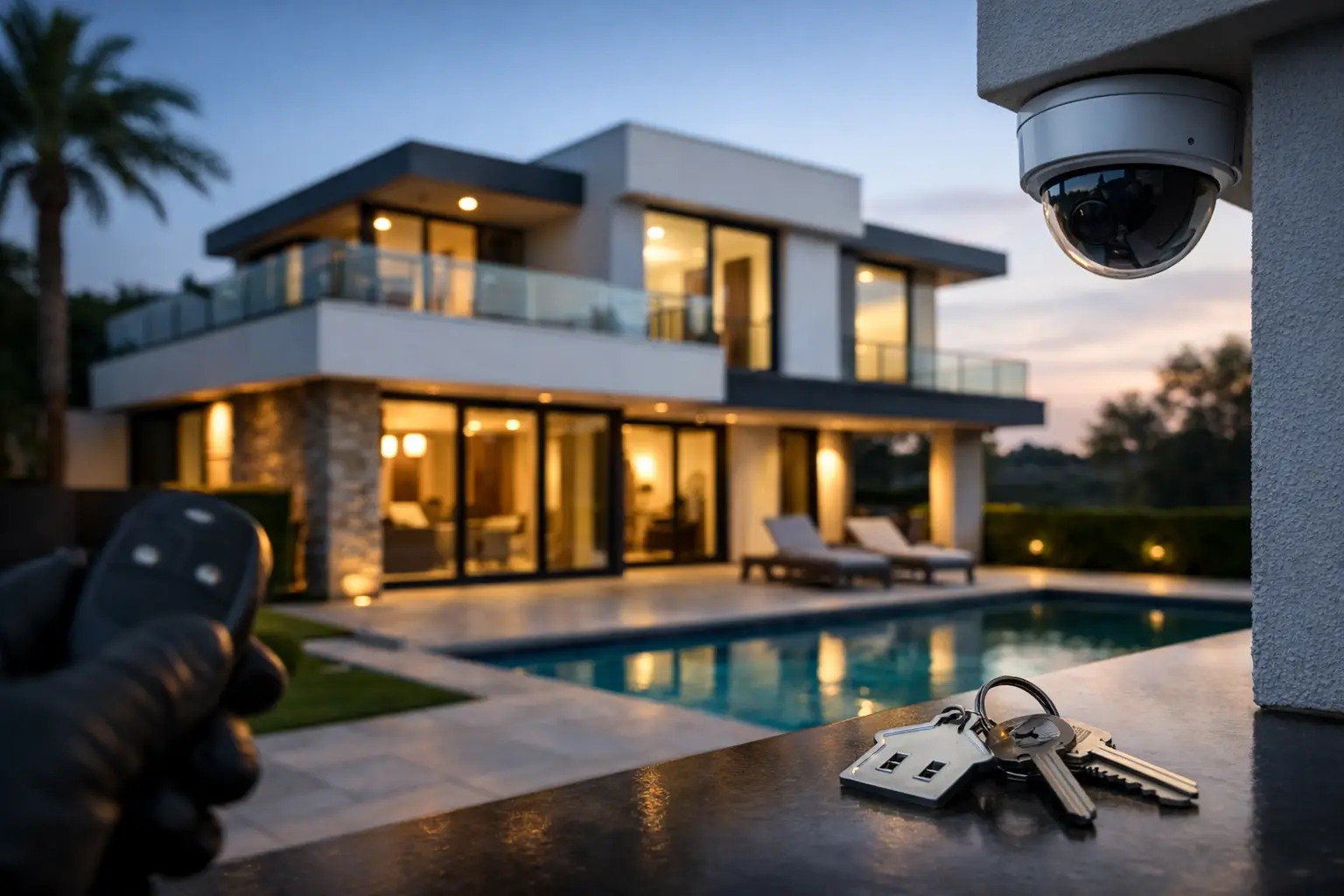
A vacant luxury home rarely looks vulnerable from the street. Gates are closed, landscaping is polished, and the architecture still makes an impression. But inside, small problems have room to grow unnoticed. A minor leak can become flooring damage. HVAC failure can affect air quality, finishes, and humidity-sensitive materials. If you are wondering how to protect a vacant luxury home, the real answer is not a single alarm or camera. It is a disciplined system of prevention, inspection, documentation, and response.
Luxury homes carry a different risk profile than standard properties. They tend to have more complex systems, higher-end finishes, larger footprints, and a steady flow of vendors, deliveries, and maintenance needs. The cost of delayed action is usually higher, and so is the expectation for care. That is why casual check-ins from a neighbor or occasional drive-bys rarely provide the level of protection an upscale residence requires.
How to Protect a Vacant Luxury Home Starts With Risk Planning
The most effective protection begins before you leave. Owners often focus on security first, which is understandable, but intrusion is only one category of risk. In many vacant homes, water, climate, pests, and neglected maintenance are more common threats than forced entry.
A proper departure plan should account for the home as a working asset with systems that continue operating in your absence. Water shutoff strategy matters, but it depends on the property. In some homes, selective shutoff is appropriate. In others, especially where irrigation, pools, smart systems, or climate controls must remain active, a blanket approach can create complications. The right decision depends on the design of the home and the season.
Climate control deserves equal attention. In Arizona, people sometimes assume a vacant home can simply be left to the heat. That can be expensive thinking. Extreme indoor temperatures may affect wood finishes, cabinetry, electronics, artwork, wine storage, and even adhesives used in luxury materials. A managed thermostat setting is usually far better than turning systems off entirely.
Then there is the human side of risk. Housekeepers, landscapers, pool vendors, contractors, and delivery personnel may still need access while you are away. If there is no clear protocol for scheduling, entry, and confirmation of work performed, vulnerability increases quickly.
Security Matters, But It Is Not the Whole Plan
A monitored alarm system is a baseline, not a complete strategy. Cameras, smart locks, gate access logs, and lighting automation all add value, but technology works best when paired with active oversight. An alert is only useful if someone reliable receives it, interprets it correctly, and responds in real time.
Luxury homeowners are often sold the idea that smart home technology can manage an empty property on its own. In practice, it depends. Smart devices are excellent tools, but they cannot smell moisture, notice subtle ceiling staining, recognize that a landscape issue is affecting drainage, or determine whether a vendor actually completed work to standard. They report signals. They do not deliver judgment.
Physical presentation also plays a role in security. A home that appears obviously vacant can attract unnecessary attention. Lighting schedules, mail handling, landscape care, and vehicle rotation all help preserve a lived-in appearance. This is particularly relevant in seasonal communities where patterns of occupancy are easy to notice.
Structured Inspections Are What Prevent Expensive Surprises
If there is one practice that most clearly separates basic property checking from professional property oversight, it is the quality of inspection. Protecting a vacant luxury home requires regular, structured inspections of both the exterior and interior, with consistency from visit to visit.
That means more than confirming the doors are locked. Exterior inspections should assess visible signs of storm impact, drainage concerns, irrigation performance, landscaping condition, perimeter security, package accumulation, pest activity, and signs of unauthorized access. Interior inspections should include ceilings, walls, windows, flooring, plumbing fixtures, appliance areas, mechanical systems, garage spaces, and any rooms with materials sensitive to heat or moisture.
Just as important is documentation. Time-stamped reporting with photographs creates accountability and helps establish a clear timeline if an issue arises. For homeowners who are hundreds or thousands of miles away, documentation is not a luxury. It is the basis for informed decisions.
This is where professional home watch becomes especially valuable. A white-glove service built around structured inspections can identify subtle issues before they become costly projects. In high-value homes, the benefit is rarely dramatic. It is quiet prevention.
What a Quality Inspection Should Catch
A proper inspection should be designed to detect early warning signs, not only visible failures. That includes a small drip beneath a sink, irregular pool water level, unusual thermostat readings, evidence of condensation, garage door misalignment, insect activity near entry points, or a refrigerator that has stopped cooling properly.
None of these issues sound major on day one. Left unattended for two or three weeks, they can become exactly that.
Vendor Oversight Is Part of Protecting the Home
Many vacant homes still require active service. Landscaping, pool care, housekeeping, seasonal maintenance, and specialty vendors all play a part in preserving the property. But access without oversight creates gaps.
When homeowners ask how to protect a vacant luxury home, they are often really asking how to maintain standards when they are not present. The answer is controlled coordination. Vendors should be scheduled deliberately, granted access appropriately, and their work should be verified. If a repair is recommended, someone should be in position to assess urgency, facilitate entry, and confirm completion.
This is particularly useful after monsoon weather, during periods of extreme heat, or when an equipment issue appears between owner visits. In those moments, homeowners do not need more notifications. They need a trusted local point of contact with the judgment to act.
In premium communities across Scottsdale, Paradise Valley, and Fountain Hills, that level of coordination often makes the difference between a simple service call and a prolonged, expensive problem.
Insurance Expectations Should Influence Your Plan
One detail many homeowners overlook is that vacancy can affect insurance requirements. Some policies contain language around how often a property must be checked, especially when it will be unoccupied for extended periods. If there is damage and you cannot demonstrate regular oversight, questions may follow.
That does not mean every owner needs the same schedule. Frequency should reflect the home, the season, the systems in place, and your policy terms. A condo with building-managed infrastructure may need a different plan than a large single-family residence with extensive exterior features and multiple mechanical systems. What matters is that inspections are consistent, documented, and appropriate for the level of risk.
Return-Ready Care Is Part of Protection
Protecting a luxury home is not only about preventing worst-case scenarios. It is also about preserving the experience of ownership. After weeks or months away, your return should feel effortless.
That requires more than having avoided damage. The home should be clean, climate-controlled, visually polished, and operational. Utilities should be functioning properly. The refrigerator should be ready. Surfaces should be dust-free. Outdoor areas should feel maintained rather than recovered. If any vendor work was completed while you were away, it should already be verified.
This is where concierge-level oversight brings real value. The goal is not just to watch the home. It is to keep it in a state that reflects your standards.
The Real Standard for Vacant Luxury Home Protection
The best answer to how to protect a vacant luxury home is not fear-based and it is not gadget-based. It is process-based. Strong protection comes from layers: preventive planning, smart security, structured inspections, documented reporting, disciplined vendor coordination, and immediate response when something shifts.
For discerning homeowners, peace of mind usually comes from knowing the property is being overseen with precision, not casually observed. That distinction matters more in a luxury residence, where details carry value and small failures can have large consequences.
A vacant home should never feel abandoned just because you are away. With the right professional property oversight, it can remain secure, carefully maintained, and fully prepared for your next arrival.

