
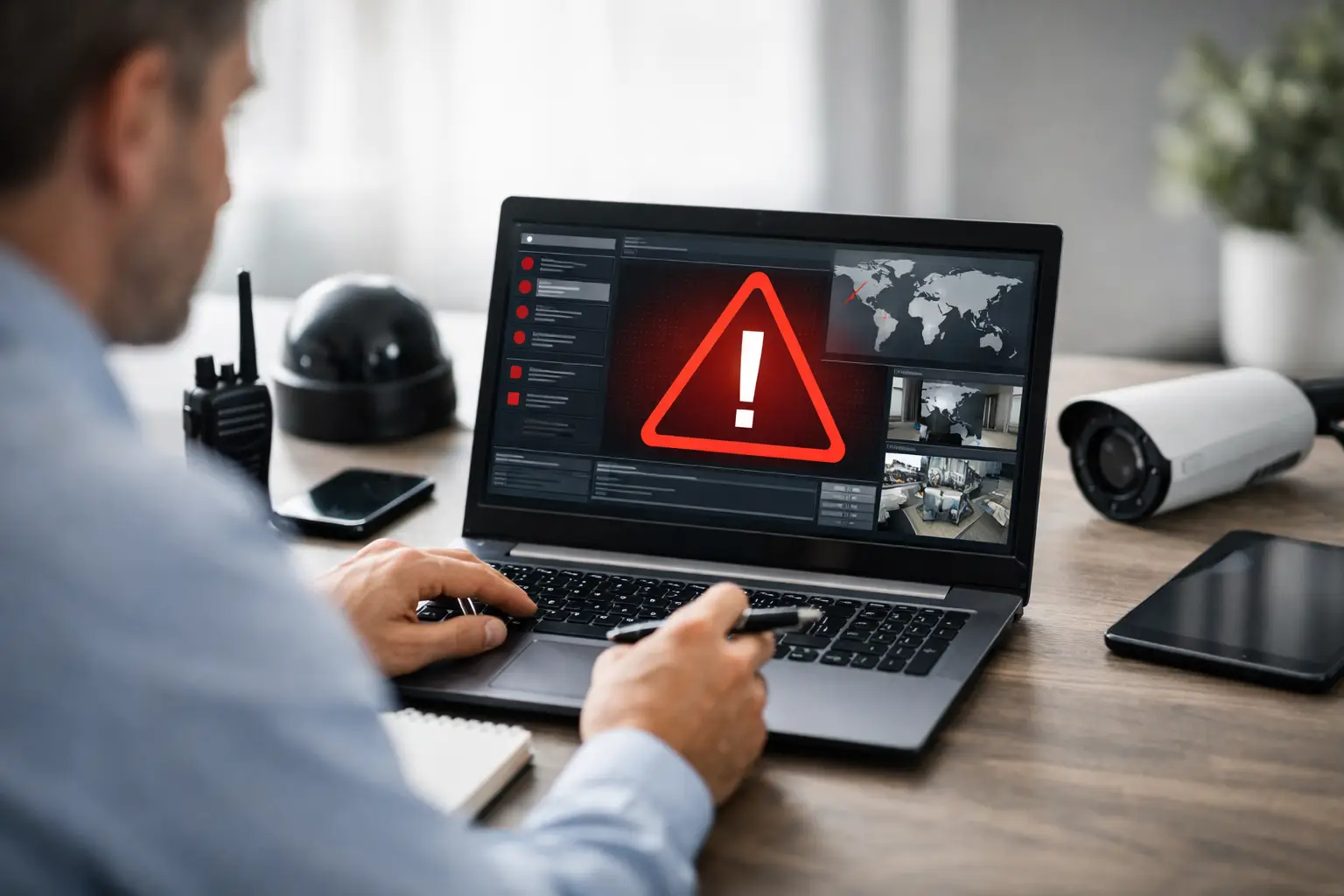
A security alert that reaches no one is not protection. For a seasonal residence, the real test is not whether an app displays a notification on a phone. It is whether the right person sees it, understands the urgency, can access the property if necessary, and knows what to do next. That is why discerning homeowners should test remote security alerts monthly, particularly before and during extended travel.
A thoughtfully managed home may have an alarm panel, cameras, smart locks, water sensors, smoke detectors, and temperature monitoring. These devices can provide useful visibility from hundreds or thousands of miles away. Yet each system introduces a potential gap: expired batteries, changed passwords, weak cellular signals, outdated emergency contacts, software updates, or a notification setting that was quietly turned off.
Monthly testing is a small act of professional property oversight that can reveal those gaps while the consequence is still minor.
Why remote alerts need more than a quick app check
Luxury homes often have layered systems, and each layer carries a different level of urgency. A driveway camera alert may simply indicate a landscaping crew has arrived. A water sensor beneath a sink could indicate a developing leak that requires immediate attention. A low-temperature notification may be less common in Scottsdale and Fountain Hills, but it can still matter during winter cold snaps, especially in homes with exposed plumbing or sensitive climate-controlled areas.
The issue is not just receiving an alert. It is distinguishing a routine event from a situation that could damage finishes, furnishings, mechanical systems, or the home itself. When owners are away, a missed alert can allow a minor concern to become a costly repair. Conversely, an overly sensitive system can generate so many false notifications that a meaningful warning is lost among them.
A monthly test creates a disciplined opportunity to confirm that alerts are arriving as intended and that the response chain remains clear. It also provides an occasion to review whether settings still match the household’s current routine. A residence occupied only seasonally should not be configured exactly like a home with someone present every day.
How to test remote security alerts monthly with precision
A useful test follows the full communication path, from the device at the property to the person responsible for responding. Testing only the sensor or checking only the mobile app does not confirm that the complete system will perform when needed.
Start with the monitoring provider
Before testing any professionally monitored alarm, contact the alarm company and place the account in test mode. This step helps prevent an unnecessary dispatch of law enforcement or emergency services. Confirm the test window, your passcode, the current account address, and the call list on file.
Ask the provider to verify which types of events they monitor. Intrusion, fire, carbon monoxide, panic, low battery, loss of communication, and environmental sensors may not all be handled the same way. It is worth knowing whether a notification goes to a central station, directly to a homeowner’s app, or to both.
Once the test is complete, make sure the provider confirms that the system has been returned to active monitoring. This last step deserves the same attention as the test itself.
Trigger one alert at a time
Test individual devices in a controlled order. For example, activate a door or window contact, then verify that the panel, monitoring company, mobile application, and designated contacts all register the event correctly. If permitted by the manufacturer and monitoring provider, follow the same process for motion detectors, glass-break sensors, smoke and carbon monoxide devices, water sensors, and temperature monitors.
Do not assume every device should be physically triggered in the same manner. Smoke and life-safety equipment have manufacturer-specific testing requirements, while water sensors may need a carefully controlled moisture test. Follow the device instructions and involve the appropriate service professional whenever a test could affect a life-safety system or cause an unnecessary emergency response.
Record the time each alert is triggered and the time it is received. A slight delay may be normal, especially with cellular or Wi-Fi-dependent equipment. A repeated delay, a missing alert, or a device that reports offline should be addressed promptly rather than left for the next visit.
Verify every recipient and every method of contact
A dependable alert plan does not rely on one phone number. Homeowners change mobile carriers, replace phones, travel internationally, and occasionally silence notifications without realizing it. A spouse, adult child, assistant, neighbor, security company, home watch professional, or property manager may each have a role in the response plan.
During the monthly test, confirm that each intended contact receives the proper notification by text, phone call, email, or app alert. Then confirm that old contacts have been removed. An outdated call list can create privacy concerns and delays, particularly when a former employee, previous property manager, or no-longer-authorized vendor remains attached to the account.
For high-value residences, designate a local decision-maker who can act when the owner cannot be reached. That person should have clear authorization, access instructions, and an understanding of when to contact a plumber, HVAC professional, restoration company, or emergency service.
Review the response plan, not only the technology
An alert is the beginning of a response, not the response itself. The strongest systems pair technology with a documented plan for what happens after a notification appears.
Consider a water alert while you are visiting family in another state. Who receives it first? Who can enter the home? Is the main water shutoff location documented? Does the responding party know where to find the relevant vendor information? If damage is visible, who is authorized to approve emergency mitigation? These questions are far easier to answer before an event than during one.
The same is true of camera alerts. If a camera captures a person at the side gate, determine whether it is a scheduled vendor, a delivery, a neighbor, or an unfamiliar visitor before escalating. Accurate vendor schedules and a clear access log reduce unnecessary concern while preserving appropriate security awareness.
A structured home watch report can add valuable context here. If a property professional has recently documented that the exterior was secure, no active leaks were visible, and systems appeared normal, an isolated notification can be evaluated against a current baseline. If the report has already noted a concern, the alert may warrant faster action.
Common issues monthly testing reveals
Most failures are not dramatic equipment breakdowns. They are small operational details that have gone unnoticed. Monthly testing frequently identifies problems such as:
- Low or depleted batteries in sensors, locks, keypads, and backup power supplies.
- Weak Wi-Fi coverage in garages, guest casitas, gates, or mechanical rooms.
- Cellular communicators that have lost service or need an account update.
- App permissions disabled after a phone or operating-system update.
- Emergency contacts, passcodes, and vendor information that are no longer current.
- Sensors that are dirty, misaligned, obstructed, or reporting intermittent faults.
Not every issue requires an immediate equipment replacement. A Wi-Fi camera may benefit from network adjustments, while a repeatedly unreliable perimeter sensor may justify professional service. The right decision depends on the device’s purpose, its location, and the consequence of failure. A decorative camera with occasional connectivity issues is not equivalent to a water sensor near a second-floor bathroom.
Keep a discreet monthly record
A simple, consistent record turns testing into accountable property protection. Note the date, devices tested, alert delivery time, recipients who confirmed receipt, any service needed, and the date the issue was resolved. Keep alarm codes, lock credentials, and sensitive access information secured separately from general inspection records.
For homeowners who are away for extended periods, the record should also identify who completed the test and who is responsible for follow-up. A verbal assurance that a system “seems fine” does not offer the same confidence as time-stamped documentation and a clear resolution trail.
At I Watch 4 You, structured inspections and detailed reporting help homeowners maintain that level of clarity. Security technology is valuable, but its value increases when it is supported by local eyes, documented observations, and responsive coordination.
The most reassuring alert is not the one that sounds an alarm. It is the one you have already tested, assigned, documented, and prepared to answer with confidence.

