
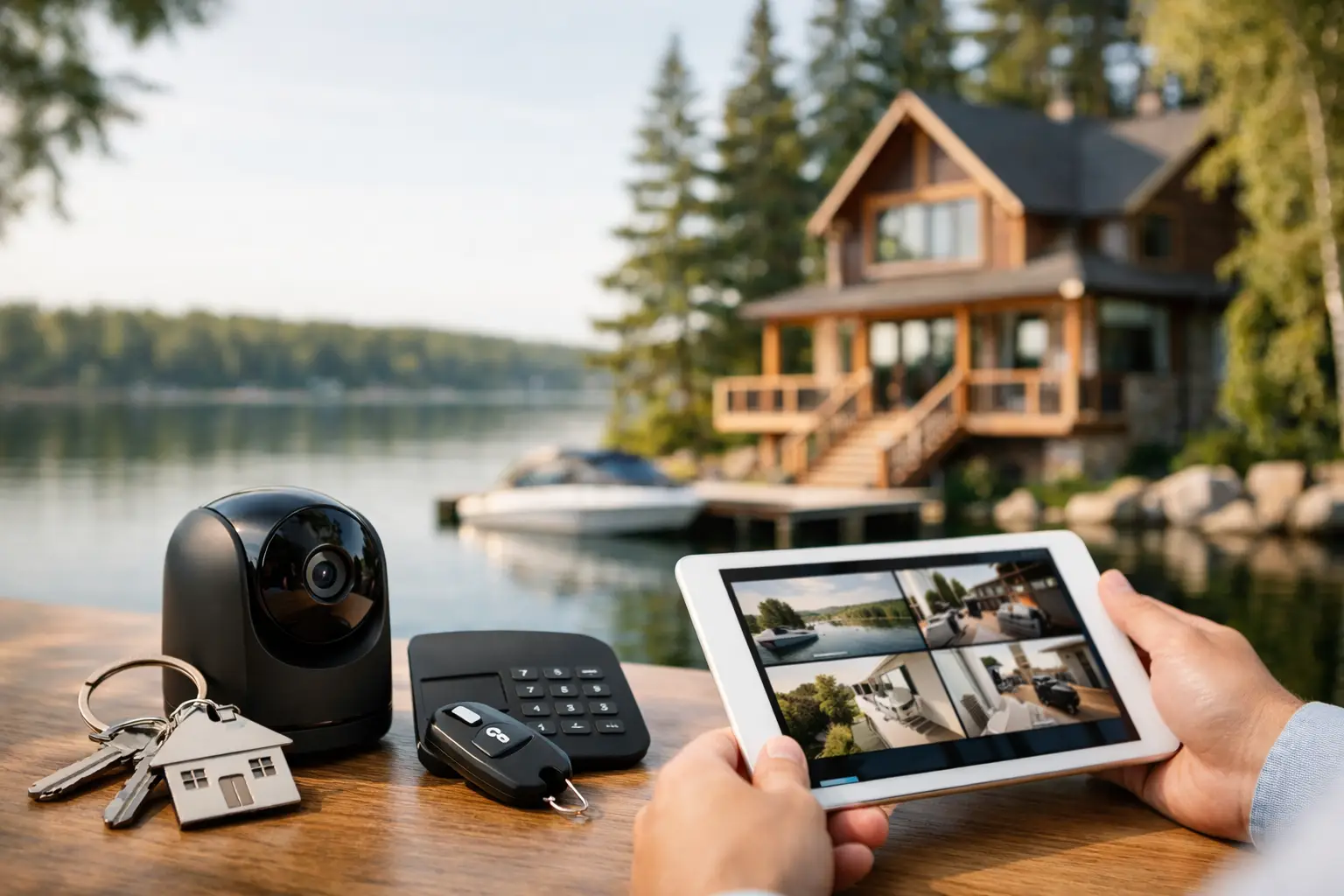
A second home rarely sits empty without consequence. Even in well-kept communities, an unoccupied property can attract risk quietly – a slow leak behind a wall, an HVAC issue during extreme heat, a vendor left unsupervised, or a visible pattern that signals no one is home. The best ways to secure second home ownership are not limited to locks and alarms. They involve a layered plan built around prevention, documentation, and trusted oversight.
For owners of luxury residences, this matters even more. High-value homes tend to have more complex systems, more finishes to protect, and more to lose when a small issue goes unnoticed. Security, in that setting, should feel deliberate and polished, not reactive.
What the best ways to secure second home really look like
Most homeowners begin with the basics: door hardware, an alarm system, exterior lighting, and cameras. Those are essential, but they only cover part of the exposure. A truly secure second home is one that is difficult to access, difficult to monitor for weakness, and difficult to damage without someone noticing quickly.
That last point is often overlooked. Many of the costliest problems in an unattended home are not break-ins. They are water intrusion, power loss, pest activity, appliance failure, roof damage after weather, or interior deterioration that advances because no one was there to catch it early. Security, in practical terms, means protecting the property from intrusion and from neglect.
Start with visible physical deterrents
Strong physical security still sets the tone. Reinforced doors, quality deadbolts, secure sliding door protection, and well-maintained locks should be standard. If your home has side gates, garage access points, or service doors, those deserve the same attention as the front entry.
For luxury homes, appearance matters too. Security upgrades should not compromise the home’s design, but discreet sophistication is not the same as weakness. The best systems are often the least noticeable – thoughtfully installed, architecturally compatible, and highly effective.
Windows also deserve careful review. Ground-level access points, secluded casitas, and rooms shielded by landscaping can create easy opportunities if they are not properly secured. Impact-resistant glass, secondary locks, and alarm integration can all reduce vulnerability. It depends on the property’s layout, but homes with multiple wings or detached guest spaces often need more customized planning.
Use smart security, but do not rely on it alone
Connected cameras, video doorbells, remote locks, glass-break sensors, and monitored alarm systems can provide valuable visibility. They allow owners to check in from another state and receive alerts when something changes. In many cases, that technology is worth the investment.
Still, smart security has limits. An alert is only useful if someone is prepared to act on it. If your phone notifies you of a garage door opening while you are traveling, in a meeting, or asleep in another time zone, the technology has done its job – but the real question is who responds next.
That is why many second-home owners benefit from combining smart systems with professional property oversight. Technology can detect. It cannot verify conditions inside the home, assess whether damage is spreading, coordinate access for a repair, or confirm that the issue was fully resolved.
Keep the home looking actively occupied
One of the best ways to secure a second home is to avoid the look of vacancy. Homes that appear unattended for weeks at a time tend to invite attention, especially when packages accumulate, lighting never changes, or exterior conditions visibly lapse.
Timers and smart lighting can help create normal patterns. Routine landscape care is equally important. A well-maintained exterior signals that the property is being watched, even when the owner is away. In upscale communities, this also protects curb appeal and helps the home remain consistent with neighborhood standards.
Mail and deliveries require a plan as well. Overflowing parcel areas or notices left at the door quickly undermine every other security measure. If you are away seasonally, think through the small details that reveal absence. Those details are often what observant intruders notice first.
Protect against the risks alarms do not solve
A secure property is not only one that keeps people out. It is one that protects critical systems before a minor issue becomes an expensive disruption. Water sensors, leak detection devices, temperature monitoring, and smart shutoff technology can all add meaningful protection.
Even so, these tools work best when paired with regular in-person checks. A sensor may tell you that moisture is present. It will not tell you whether the source is active, whether cabinetry is swelling, whether drywall has absorbed water, or whether mold conditions are beginning to develop.
This is where structured inspections make a measurable difference. A professional inspection process should include the interior and exterior, visible signs of leaks, HVAC performance indicators, storm impact, doors and windows, appliance areas, and any condition changes that suggest emerging problems. Thoroughness matters. So does consistency.
Limit and control access carefully
Many second homes require periodic entry by housekeepers, pool technicians, landscapers, contractors, or delivery personnel. Every one of those access points introduces some level of risk. Good security is not about mistrust. It is about accountability.
Access should be deliberate, documented, and easy to revoke. Temporary codes are generally preferable to shared physical keys. If you use vendors while away, it is wise to know exactly when they entered, why they were there, and whether the property was secured afterward.
For owners of luxury residences, supervised vendor coordination can be especially valuable. It reduces the chance of unscheduled access, miscommunication, or a minor service visit turning into a larger unresolved issue. When someone responsible is overseeing the process locally, the home is better protected and the owner is not left managing details from afar.
Add professional home watch to your security plan
When homeowners think about the best ways to secure second home properties, professional home watch is often the missing layer. Not because it replaces security hardware, but because it turns passive protection into active oversight.
A qualified home watch provider does more than stop by. The standard should be structured inspections, time-stamped reporting, photo documentation, and prompt communication if something is wrong. That level of detail matters because it creates accountability and shortens response time.
This is particularly relevant in markets such as Scottsdale, Paradise Valley, and Fountain Hills, where many homes are seasonal, highly appointed, and left unattended during extended travel. Heat, monsoon weather, irrigation issues, roof concerns, and system failures can all escalate quickly in Arizona conditions. Professional property oversight helps bridge the gap between remote ownership and real-time protection.
For homeowners who expect white-glove care, the value is not simply that someone looked in on the property. It is that the inspection was methodical, documented, and handled with discretion.
Prepare the home before every departure
Even a strong security plan can be weakened by a rushed exit. Before leaving for an extended period, it is worth running through a disciplined departure routine. Confirm windows and doors are secure, test alarm functions, check cameras, remove perishables, review water shutoff preferences, and verify that all scheduled services are in place.
This is also the time to think about readiness upon return. A truly well-secured second home is not just protected while you are away. It is maintained in a condition that allows you to come back to a home that feels composed, functional, and ready to enjoy.
That may include arranging periodic checks, coordinating maintenance, and planning return-preparation services so lighting, climate, cleanliness, and essentials are in order before arrival. For many owners, peace of mind comes from knowing the property is not simply closed up – it is being actively cared for.
Choose a plan that fits the property, not just a checklist
No two second homes carry the same risk profile. A lock-and-leave condo in a secured building requires a different strategy than a large custom residence with multiple entrances, water features, extensive landscaping, and frequent vendor traffic. The right approach depends on the home’s location, systems, exposure, and how often it sits vacant.
That is why the best security plans are layered and specific. They combine physical deterrence, smart technology, controlled access, visual occupancy, and professional oversight. Each layer covers a gap the others miss.
For discerning homeowners, the real goal is not merely to prevent intrusion. It is to preserve the condition, value, and readiness of a property that deserves careful attention. Security should feel quiet, precise, and reliable – the kind of protection that lets you be away without wondering what is happening back home.
If your second home is one of your most valuable assets, it should be cared for with the same discipline you used to acquire it.

