
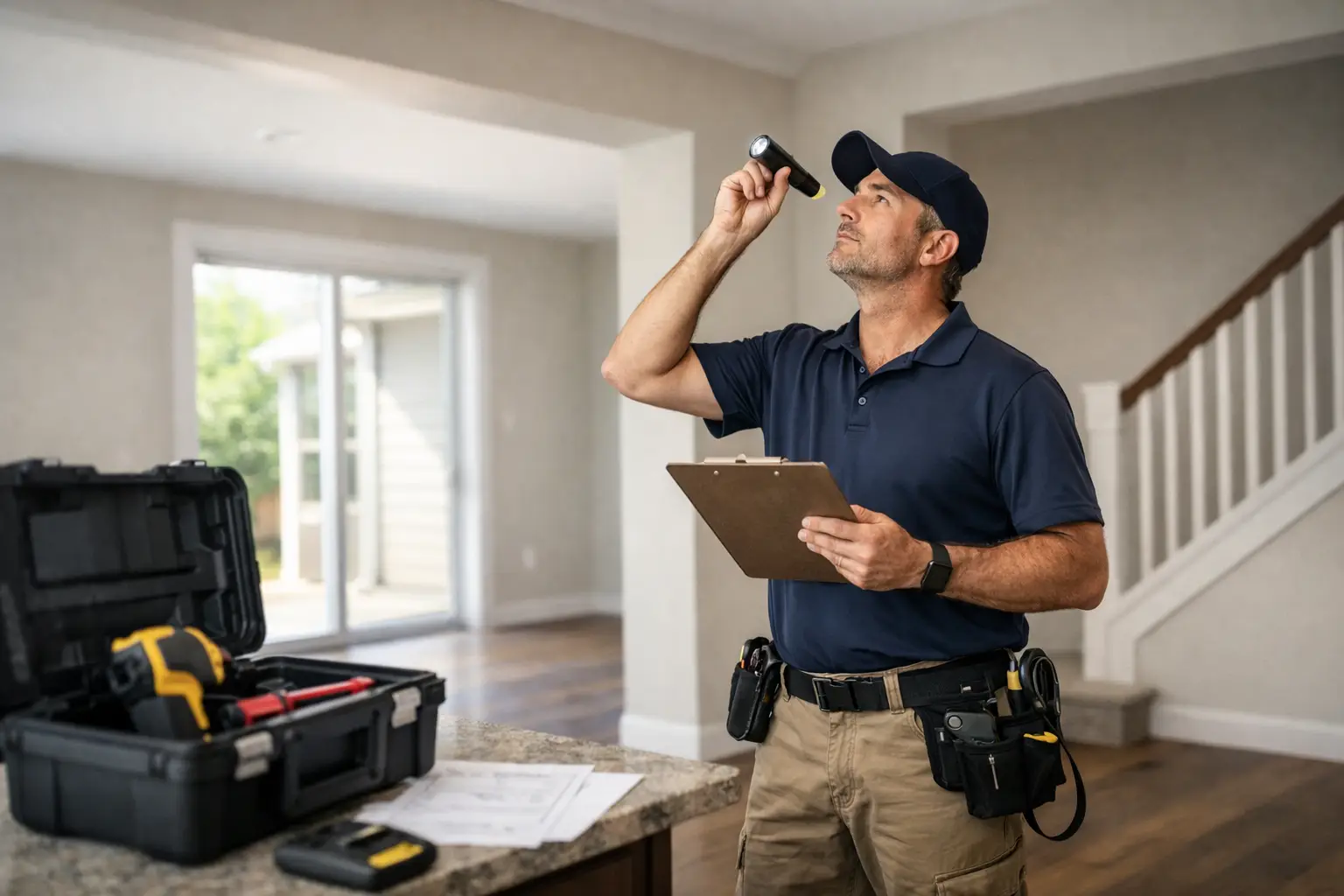
A small leak beneath a guest-bath vanity can remain invisible for weeks in an unoccupied residence. By the time a homeowner returns, a minor fitting failure may have damaged cabinetry, flooring, drywall, and adjacent rooms. That is why learning how to inspect vacant homes professionally is less about a casual walkthrough and more about applying a disciplined process designed to identify change early, document it clearly, and coordinate a timely response.
For luxury homes in Scottsdale, Paradise Valley, and Fountain Hills, professional property oversight must account for more than security. Extreme heat, monsoon weather, irrigation failures, pool equipment, HVAC systems, plumbing fixtures, and long periods without daily use all require attention. A professional inspection protects the home’s condition while giving its owner a reliable record of what was observed, when it was observed, and what action was taken.
How to Inspect Vacant Homes Professionally
A professional home watch inspection begins before entering the property. The inspector should arrive with a consistent route, a documented checklist tailored to the residence, and an understanding of the owner’s instructions. A condo, for example, may require close attention to shared-wall moisture concerns and building access protocols. A larger estate may have gates, detached casitas, pool systems, irrigation zones, landscape lighting, and multiple HVAC units that need individual review.
Consistency is what separates professional property oversight from an occasional favor by a neighbor. The same essential areas should be reviewed at each visit so that subtle changes are easier to recognize. A new stain on a ceiling, an unfamiliar alert light, a declining pool water level, or an unusual odor may be the first indication of a developing issue.
The inspection should be methodical, quiet, and respectful of the owner’s privacy. It is not an opportunity to use the residence or rearrange personal belongings. The objective is to verify that the property remains secure, operational, clean, and protected from avoidable deterioration.
Begin with the exterior and perimeter
The exterior often reveals the earliest warning signs. Before entering, inspect the driveway, walkways, gates, doors, windows, roofline, landscaping, and visible utility areas. Look for storm debris, broken glass, forced-entry damage, standing water, pest activity, irrigation overspray, or signs that a vendor has been on-site without authorization.
In Arizona, the landscape deserves more than a glance. Irrigation leaks can waste water, damage hardscape, create soil erosion, and leave plant material stressed or dead. Check for pooling around valves, unusually green patches, dry zones, broken emitters, and water running onto sidewalks or neighboring property. After monsoon activity, confirm that drainage paths are clear and that exterior furnishings, umbrellas, and pool equipment have not shifted or sustained damage.
A professional also verifies that mail, flyers, and packages are not accumulating. These details can signal that a residence is vacant. Any irregularity should be photographed and reported rather than dismissed as routine.
Check the home’s security before proceeding inside
Security checks should be purposeful and discreet. Confirm that doors, windows, garage doors, side gates, and access points are secured according to the homeowner’s preferences. Inspect alarm panels for trouble notifications, low-battery warnings, or communication errors. If cameras, smart locks, or exterior lighting are part of the property’s systems, document visible issues without altering settings unless authorized.
A professional inspector does not assume that a locked home is a secure home. A garage door can appear closed but fail to seal properly. A side gate can latch without actually engaging. Window screens can be intact while a window lock is not. Each point of entry requires visual confirmation.
If there is evidence of a break-in, forced entry, or an active security concern, do not continue through the home as though it were a normal visit. Follow the established emergency protocol, contact the appropriate parties, preserve the scene, and provide the homeowner with factual, time-stamped information.
Follow a structured interior inspection route
Once inside, follow the same route each visit. This protects against missed areas and makes reporting more meaningful. A well-designed route may begin at the entry and main living spaces, continue through bedrooms and baths, then proceed to the kitchen, laundry, garage, mechanical rooms, and any detached spaces.
The first interior assessment should use the senses. Listen for running water, alarms, unusual mechanical cycling, or sounds from appliances. Notice odors that may indicate mold, sewer gas, smoke, pests, overheating electronics, or stagnant water. Look for temperature concerns, humidity, ceiling stains, wall discoloration, warped flooring, and changes around windows or exterior doors.
Then inspect the systems most likely to create costly damage when a residence is vacant. Run designated faucets briefly if authorized, check beneath sinks and around toilets for moisture, and inspect water heater areas, filtration equipment, and laundry connections. Verify that HVAC equipment is operating at the agreed setting and that condensate pans, drains, and visible lines show no signs of leakage.
The kitchen should receive particular care. Check for water beneath the sink, appliance leaks, refrigerator or ice-maker concerns, unusual odors, and signs of pest activity. In a luxury residence, small failures can affect custom cabinetry, stone surfaces, wood flooring, and integrated appliances. Early detection preserves both the home and the owner’s ability to make thoughtful repair decisions rather than emergency replacements.
Pay attention to climate-controlled and specialty spaces
Wine rooms, art-display areas, fitness rooms, home theaters, offices, and climate-sensitive storage spaces may have requirements beyond standard temperature checks. The correct inspection approach depends on the homeowner’s assets, equipment, and maintenance plan. A wine room that is outside its target range, for example, warrants prompt review even if the rest of the home appears comfortable.
Pool and spa systems also require purposeful observation. Verify that equipment appears to be operating normally, the water level is appropriate, and there are no obvious leaks, alarms, or debris concerns. Pool chemistry and service should remain the responsibility of qualified vendors, but a professional home watch visit can identify visible changes between vendor appointments and initiate coordination before a minor concern becomes a more significant one.
Document facts, not assumptions
Professional reporting is an essential part of the inspection, not an administrative afterthought. Each visit should create a clear record of the date, time, areas inspected, conditions observed, photographs taken, and actions recommended or completed. A structured platform such as HomeWatchIT® supports consistency by organizing inspection records and time-stamped photographs in a format owners can review from anywhere.
Reports should be concise, specific, and factual. “Water observed beneath guest-bath sink cabinet” is more useful than “possible plumbing issue.” “North patio umbrella found lowered and secured after wind event” gives the homeowner a clear picture of both the condition and the response.
Photographs should support the report, especially when documenting a concern, a repair area, a vendor visit, or a changed condition. They should be clear, relevant, and handled with discretion. A luxury homeowner expects visibility into the care of the residence without unnecessary exposure of personal belongings or private spaces.
Know when to escalate and coordinate help
An inspector’s value is measured in part by judgment. Not every observation needs an emergency call, but waiting too long can be equally costly. Active water, an HVAC failure during extreme temperatures, storm damage, a security breach, smoke odor, or signs of a major appliance malfunction generally warrant immediate escalation.
For less urgent matters, the right approach may be to document the issue, notify the homeowner, and coordinate a trusted vendor once approval is given. The level of authority should be established before the homeowner leaves. Clear instructions about spending limits, preferred vendors, emergency contacts, and access procedures allow for a faster, more controlled response.
Vendor coordination should include more than granting entry. A white-glove service confirms the appointment, provides access according to the owner’s instructions, observes the visit when appropriate, verifies that the property is secured afterward, and reports the outcome. This accountability is especially valuable for absentee owners who cannot be present to assess whether work was completed as expected.
Prepare the residence for the owner’s return
Professional vacant-home oversight extends to the days before an owner returns. Return preparation may include adjusting climate settings, confirming that utilities and key systems are functioning, coordinating housekeeping, checking exterior presentation, and ensuring scheduled vendors have completed essential work.
The right preparation is personal. Some owners want a fully refreshed residence with chilled beverages, stocked essentials, and ready-to-use outdoor spaces. Others prefer minimal intervention and simply want the assurance that the home is clean, secure, and functioning properly. The standard is not one-size-fits-all service. It is thoughtful execution of the homeowner’s preferences.
The best vacant-home inspection is often the one that prevents a problem from becoming a story the homeowner has to manage from thousands of miles away. With structured inspections, precise documentation, and responsive local coordination, an unoccupied residence can remain as protected and welcoming as the day its owner left.


4 Comments