
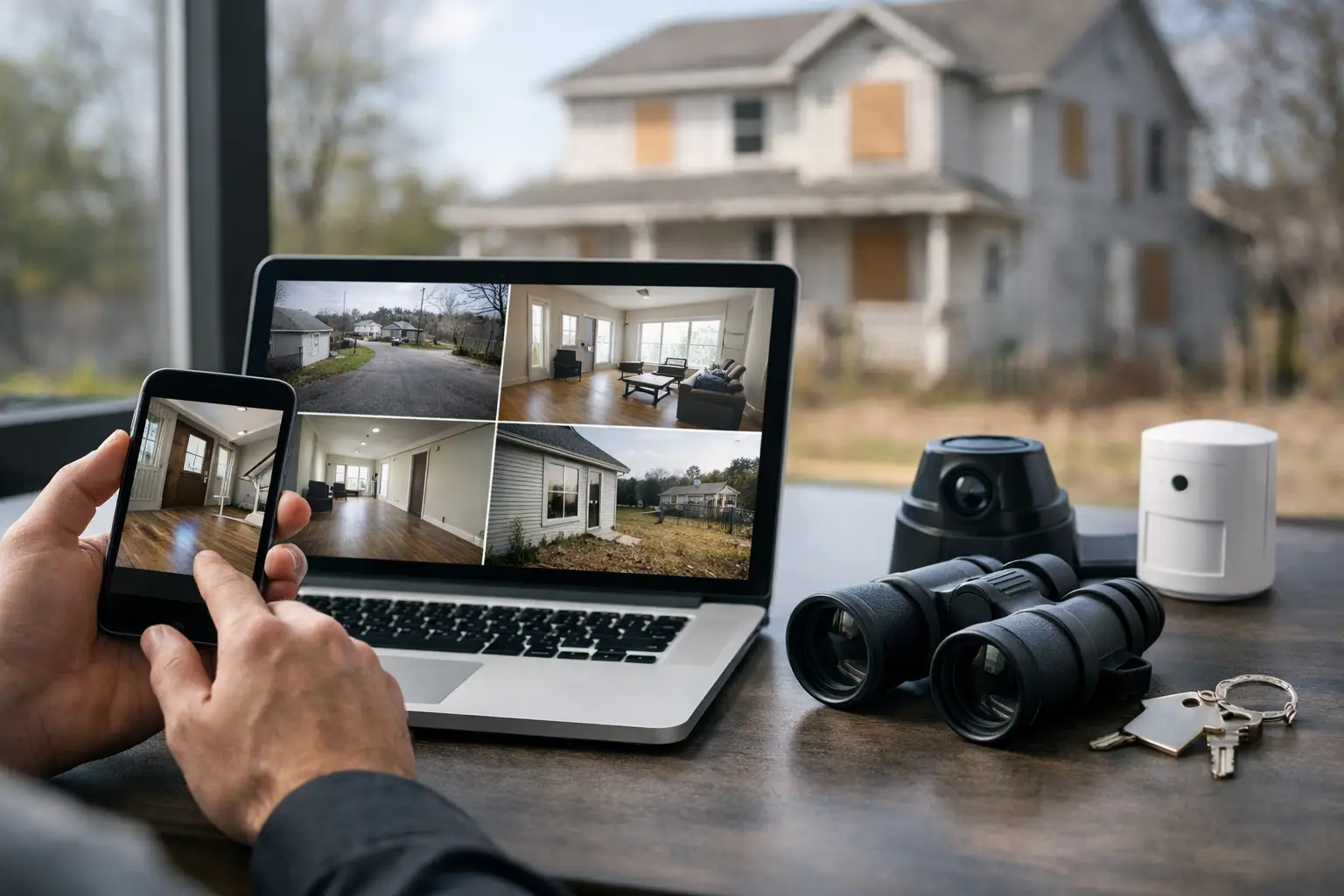
A vacant luxury home rarely stays still for long. A minor HVAC issue can become a humidity problem. A slow leak can travel behind walls before anyone notices. Even something as ordinary as dust, pests, or a missed delivery can signal that a property is not being actively overseen. That is why knowing how to monitor vacant property properly matters – especially when the home is valuable, furnished, and left unattended for weeks or months at a time.
For many homeowners, the instinct is to rely on a neighbor, a friend, or the occasional drive-by. That may feel reassuring at first, but it is rarely enough. Exterior appearances do not reveal water intrusion under a sink, a tripped breaker, a failed refrigerator, or an air handler that has stopped performing as it should. Effective monitoring requires a structured approach, consistent documentation, and someone local who understands what to look for before a small problem becomes an expensive one.
What effective vacant property monitoring really means
When homeowners ask how to monitor vacant property, they are usually asking two questions at once. The first is how to know the home is secure. The second is how to know the home is staying in proper condition while they are away.
Security is part of the picture, but condition oversight is just as important. A vacant home can suffer damage without any visible sign from the street. Interior systems continue to age, weather events still affect roofs and exterior surfaces, and utility failures can create chain reactions. The most reliable monitoring plan is not passive. It is active, scheduled, and specific.
That means the property is checked on a recurring basis, with attention paid to the areas most likely to create loss. Doors and windows should be verified. Plumbing fixtures and water heaters should be visually assessed. HVAC performance, thermostat settings, electrical indicators, visible ceiling conditions, appliance areas, and exterior changes should all be part of a professional routine. In higher-end homes, where finishes, furnishings, and systems are more complex, the need for precision increases.
How to monitor vacant property with less guesswork
The strongest approach combines technology with in-person oversight. Smart devices can alert you to motion, leaks, temperature fluctuations, or power interruptions, but they cannot confirm context. A sensor may tell you there is moisture. It cannot tell you whether the source is a loose fitting, active storm entry, condensation, or a vendor accidentally leaving something exposed.
That is where structured inspections become essential. A trained property watch professional does more than walk through the home. They follow a repeatable process, inspect key risk points, and document findings with time-stamped reporting. That level of accountability matters because it creates a record of the home’s condition over time rather than relying on memory or assumption.
There is also a practical advantage. If a concern appears, someone is already in position to escalate it quickly, coordinate access, and help limit further damage. Waiting until you return, or until a neighbor notices something unusual, often makes the repair larger and the disruption greater.
Why cameras alone are not enough
Many homeowners begin with cameras, and they can be useful. Entry points, garage areas, and exterior approaches are worth monitoring. Yet cameras have blind spots, both literally and operationally.
They do not inspect under sinks. They do not test whether air is circulating properly. They do not notice the early signs of pest activity in a pantry or garage. They also depend on Wi-Fi, power, and proper placement. If any of those fail, the sense of security can be misleading.
For a vacant property, cameras should support a wider oversight plan rather than replace it. The same is true for alarm systems. They are valuable, but they are designed to react to certain triggers, not to evaluate the broader health of the home.
The value of routine interior and exterior checks
A well-run monitoring schedule covers both sides of the property. Inside, attention should be given to plumbing areas, ceilings, walls, windows, appliances, thermostats, electrical indicators, and signs of humidity or odor changes. Outside, the inspection should include gates, doors, windows, landscaping, drainage, roofline visibility, and general signs of storm or heat-related wear.
In communities such as Scottsdale and Fountain Hills, where seasonal residents may be away during periods of extreme heat, monsoon activity, or heavy wind, exterior conditions can shift quickly. Irrigation issues, sun exposure, debris, and water intrusion deserve close attention. A property can look pristine from the curb while still developing a hidden issue that needs immediate response.
The difference between casual checks and professional oversight
There is a meaningful difference between someone stopping by and a service built around professional property oversight. Casual checks tend to be informal. They may focus on collecting mail, starting a car, or making sure the house looks occupied. Professional monitoring is more disciplined. It follows a checklist, documents observations, and creates continuity from one visit to the next.
That continuity is often where real value appears. If one visit shows everything operating normally and the next reveals a change in temperature, staining, moisture, or landscaping condition, the issue is easier to identify and address early. Consistency also reduces missed details, which is especially important in second homes that may sit empty for long stretches.
For affluent homeowners, this is not simply about convenience. It is about protecting finishes, systems, furnishings, and the overall standard of the residence. A luxury property requires care that matches the caliber of the asset.
What to include in a vacant property monitoring plan
The right plan depends on the home, its systems, and how long it will be unoccupied. A condo may need a different rhythm than a large single-family estate, and a home left empty for two weeks presents a different risk profile than one vacant for an entire season.
Still, several elements matter almost every time. Recurring in-person inspections should be at the core. Smart monitoring devices can add another layer, especially for water, temperature, and security alerts. Detailed reporting should follow each visit so the homeowner is not left wondering what was actually checked. Vendor coordination is also worth considering, because problems are rarely solved by detection alone. Someone often needs to be on site to grant access, verify work, and confirm the home is properly secured afterward.
Return preparation is another detail many owners overlook until the last minute. If the goal is a home that feels ready upon arrival, monitoring should connect naturally with concierge support. That can include checking climate settings, confirming basic readiness, and ensuring the property presents exactly as expected when the owner returns.
When professional home watch is the smarter choice
Some homeowners can manage a light-touch plan on their own, especially if they are away only briefly and have strong local support. But as the property becomes more valuable, the absence longer, or the systems more complex, the case for professional oversight becomes much stronger.
This is especially true for homeowners who prefer not to rely on favors, who want documented accountability, or who need rapid response if something changes. A white-glove home watch service offers more than presence. It provides process, discretion, and a clear standard of care.
A company such as I Watch 4 You, for example, approaches this through structured inspections and documented reporting designed for high-value homes. That matters because the service is not improvised around each visit. It is built to detect, record, and respond with consistency.
How often should a vacant home be checked?
There is no universal answer, and that is where honest guidance matters. More frequent checks generally reduce risk, but the ideal cadence depends on occupancy patterns, property size, weather exposure, system age, and owner preference.
A luxury residence with extensive plumbing fixtures, a pool, advanced HVAC systems, and valuable interiors may warrant more frequent oversight than a smaller lock-and-leave condo. The season matters too. During hotter months or active weather periods, risk can increase. If vendors are scheduled to visit, additional follow-up may also make sense.
The better question is not simply how often the home should be checked, but whether the schedule matches the property’s actual risk. A sparse schedule may save a little money upfront while exposing the owner to a much larger loss later.
Peace of mind comes from proof, not assumption
At a certain level, homeowners are not just buying checks. They are buying confidence in the condition of a valuable asset. That confidence should come from evidence – clear observations, time-stamped photos, consistent communication, and immediate escalation when needed.
If you are deciding how to monitor vacant property, the answer is rarely a single device or an occasional favor. The answer is a system. One that sees more than the surface, one that respects the standards of the home, and one that allows you to be away without wondering what you will return to.
The right oversight should feel quiet, precise, and dependable. When it is done well, your home stays protected in your absence and ready for your return.

