
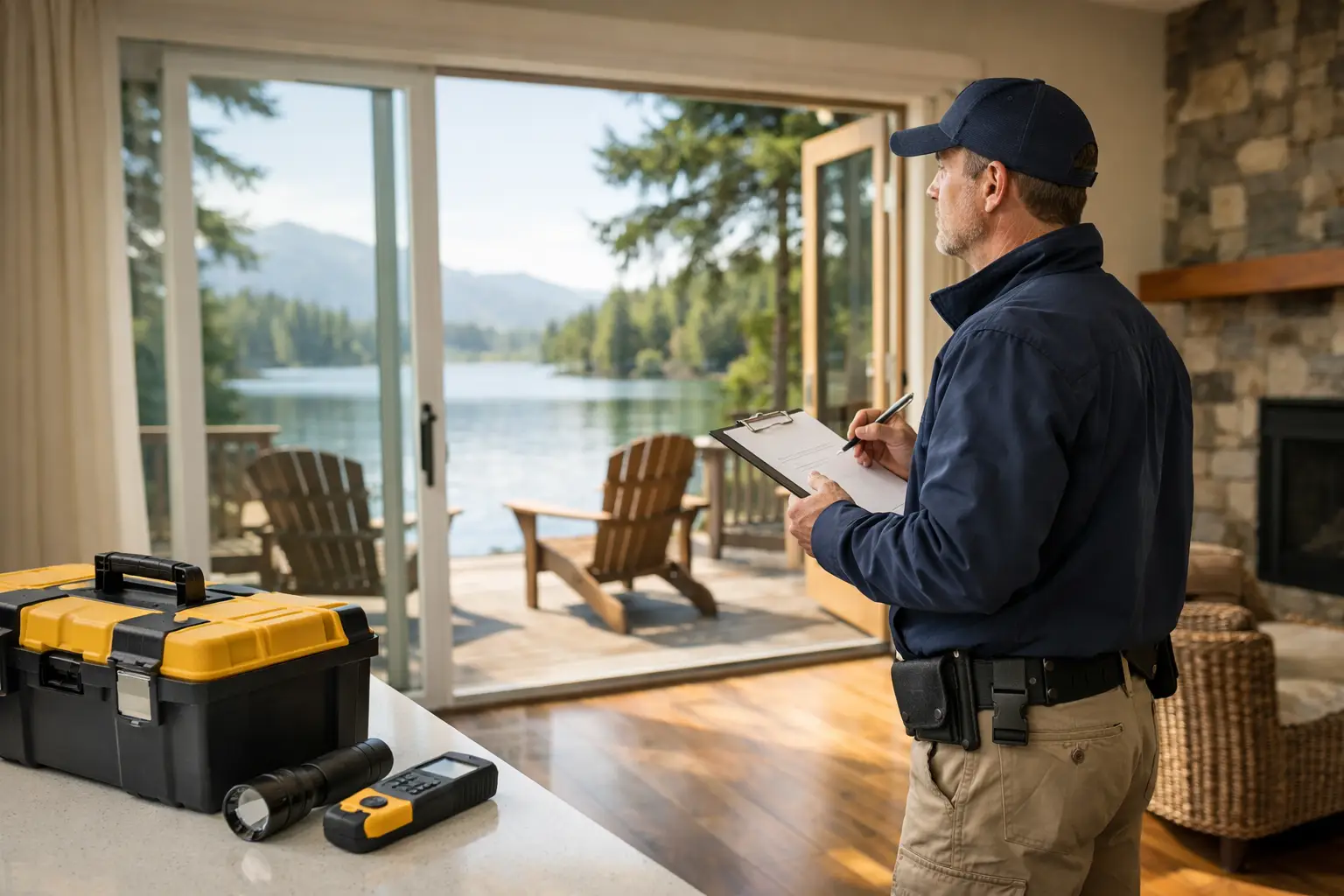
A second home can appear perfectly secure when the doors are locked, the alarm is set, and the thermostat is adjusted. Yet the most expensive property issues often begin quietly, well before a neighbor, housekeeper, or returning owner notices them. For owners asking, should second homes have inspections, the practical answer is usually yes – particularly when a valuable residence will sit unoccupied for weeks or months at a time.
A luxury home is not simply an asset that can be left on pause. It is a working environment of plumbing, electrical systems, HVAC equipment, pool equipment, irrigation, roofing, finishes, and smart-home technology. Consistent, professional property oversight gives those systems the attention they require while preserving the privacy and standards discerning homeowners expect.
Why unattended second homes carry a different level of risk
A primary residence benefits from daily observation. Someone hears an unfamiliar sound from the water heater, sees a ceiling stain forming near a vent, or notices that the air conditioning is running longer than normal. In a seasonal residence, those early warning signs can go unseen.
A small supply-line leak may become extensive water damage. An HVAC interruption during Arizona heat can place interior finishes, electronics, and climate-sensitive belongings at risk. A monsoon storm can move debris, affect drainage, or expose a roof concern that was not visible before the weather changed. None of these situations is guaranteed, but the cost of delayed discovery can be significant.
The risk is not limited to dramatic emergencies. Irrigation leaks can waste water and affect landscaping. A tripped GFCI outlet may leave exterior equipment without power. Pest activity, a malfunctioning garage door, a gate left unsecured, or a package accumulating near the entry can all signal that a property is not receiving the level of attention it deserves.
For homes in Scottsdale, Paradise Valley, and Fountain Hills, seasonal heat, dust, wind, and monsoon conditions add local considerations. High-end properties may also include complex features – water features, guest casitas, advanced lighting, automated shades, pools, wine storage, and sophisticated security systems – that benefit from regular, trained observation.
What second-home inspections should actually involve
Not all inspections deliver the same value. A brief drive-by or an informal check that confirms the house is still standing is not the same as a structured interior and exterior inspection. The difference is documentation, consistency, and the ability to identify changes before they become larger problems.
A professional visit should follow a repeatable process. The property is inspected with care, observations are recorded, and the homeowner receives a clear report that creates accountability. Time-stamped photographs are especially valuable because they provide a visual record of the home’s condition and make it easier to understand an issue from afar.
Interior checks protect the systems owners cannot see from the street
Inside the residence, inspections commonly include visual checks of plumbing fixtures and accessible supply areas, HVAC operation, thermostat settings, electrical panels or visible electrical concerns, ceilings, windows, doors, and signs of moisture or pest activity. The goal is not to replace a licensed plumber, electrician, or HVAC technician. It is to identify exceptions early and coordinate the appropriate professional when needed.
The inspection should also consider the details that matter in an upscale residence: interior temperature and humidity, unusual odors, appliance status, signs of water near mechanical equipment, and the condition of furnishings or finishes where a concern is visible. A disciplined process helps distinguish a routine observation from an issue requiring immediate action.
Exterior checks preserve curb appeal and help reveal emerging issues
Exterior oversight is equally important. A walk around the property can reveal storm debris, roofline concerns visible from the ground, pooling water, irrigation issues, damaged screens, open gates, deteriorating landscaping, or evidence that an exterior feature requires service.
For a second home, appearance is part of protection. An unkempt entry, neglected landscaping, or obvious buildup at the front door can make a residence look vacant. Regular white-glove oversight helps preserve the home’s presentation while providing another layer of awareness around security and maintenance.
How often should a second home be inspected?
The appropriate frequency depends on how long the property is vacant, the season, the home’s systems, and the owner’s tolerance for risk. A condo with building staff and limited exterior responsibility may require a different cadence than a large estate with a pool, extensive grounds, and multiple mechanical systems.
For many seasonal homeowners, weekly inspections offer the right balance of vigilance and practicality. This schedule limits the time between observations and gives service providers a stronger chance of detecting a concern before it advances. During extended absences, high-temperature periods, monsoon season, or after significant weather events, additional visits may be prudent.
Biweekly inspections can work for some lower-complexity properties, particularly when a trusted building management team is present. Monthly checks are usually too infrequent for a luxury residence left unoccupied for a prolonged period. A water issue, system failure, or security concern can develop and worsen considerably over 30 days.
The key is to choose a schedule based on the property’s real exposure, not simply the minimum service interval available. A thoughtful home watch provider should be able to recommend a cadence after considering the home’s size, features, occupancy pattern, and existing vendor relationships.
Inspections are only as valuable as the response behind them
A report is reassuring, but the true value of professional property oversight is what happens when the report identifies an exception. Owners who live in another state or spend part of the year in Canada should not have to manage a leaking valve, HVAC concern, or storm-related issue through a chain of uncertain calls.
A capable home watch service provides an informed first response: document the condition, communicate clearly, protect the property where appropriate, and coordinate qualified vendors with the owner’s approval. This creates a more orderly process than scrambling to locate help after an issue has already caused disruption.
Vendor coordination also protects an owner’s time and privacy. Someone must meet a technician, provide access, observe the work area, and confirm that the home is secure afterward. When these responsibilities are handled carefully, homeowners retain visibility without being pulled into every logistical detail.
At I Watch 4 You, this accountability is supported by structured inspections and detailed HomeWatchIT® reporting. The purpose is straightforward: give absentee homeowners a reliable, well-documented view of their property and a trusted local point of contact when attention is required.
When a second-home inspection service may not be necessary
There are circumstances where formal inspections may be less essential. A residence occupied by family, supported by attentive full-time staff, or located in a condominium with comprehensive on-site management may already have meaningful oversight. Even then, it is worth understanding exactly what those parties inspect, how quickly they report concerns, and whether they are responsible for interior conditions.
A neighbor who agrees to glance at a home can be helpful, but it is not a substitute for a documented service relationship. Neighbors travel, have competing commitments, and may not know what to look for around specialized systems. Asking them to manage vendor access or respond to an urgent issue can also place them in an uncomfortable position.
The decision comes down to exposure and expectations. The more valuable, complex, and distant the property, the stronger the case for scheduled inspections with professional documentation.
Return to a home that feels ready, not neglected
The final benefit of inspections is often felt when the owner returns. Instead of arriving to stale air, a pool concern, an overgrown entry, a stack of mail, or an unexpected repair, the home can be prepared for occupancy with deliberate care. Concierge-level return preparation may include coordinating cleaning, adjusting the environment, checking key systems, and making sure the residence presents as it should.
That readiness matters because a second home should be a place of ease. Scheduled inspections do more than look for problems. They preserve the confidence that, while you are away, someone is watching over the details with the same discretion and precision you would expect for your home.

