
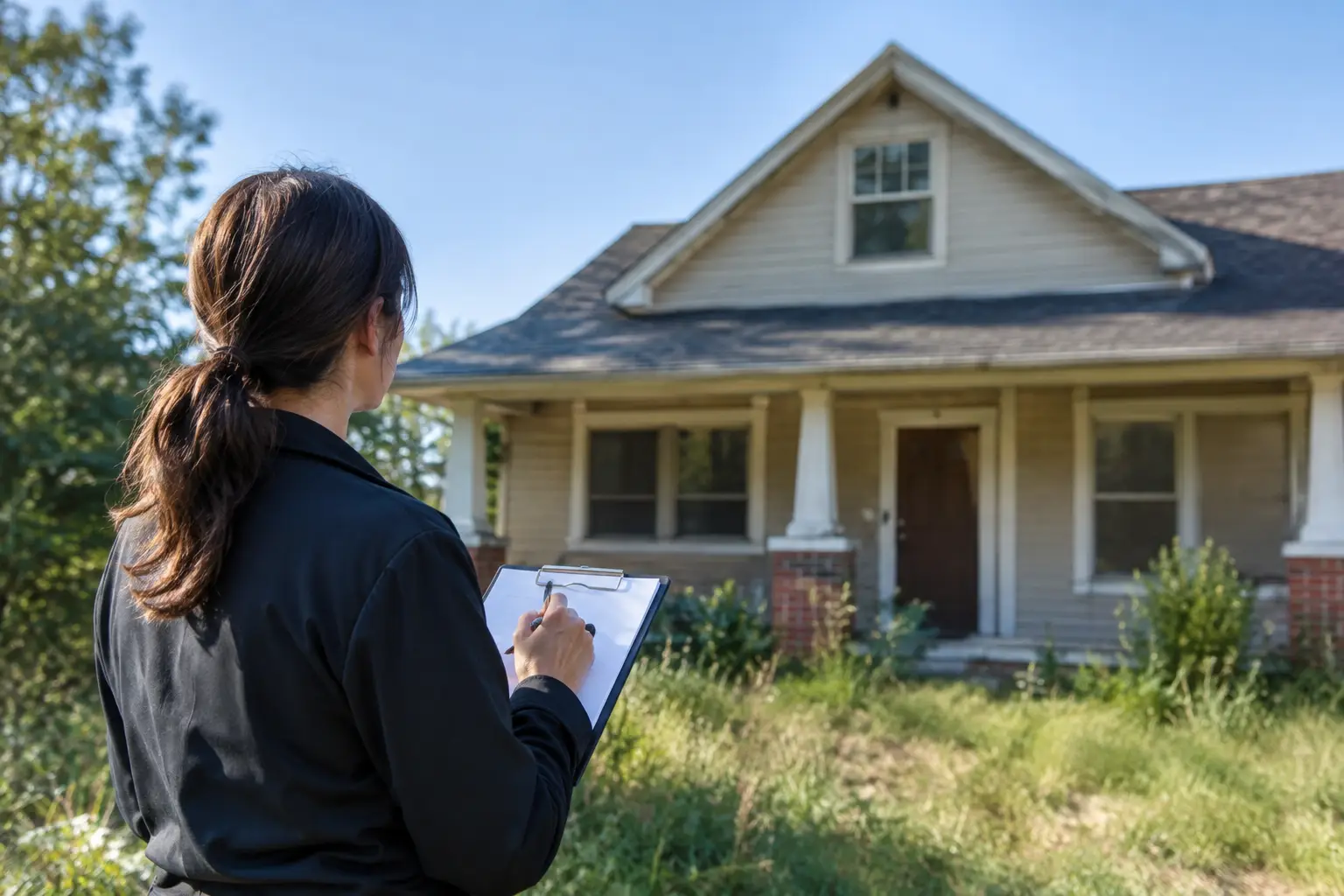
A silent water heater leak can damage cabinetry, flooring, and drywall long before a neighbor notices anything unusual. That is why the question of when should vacant homes be checked is not simply about convenience. For a luxury residence, inspection frequency is a direct part of protecting the property, its systems, and the standards you expect to find when you return.
For most unoccupied homes in Scottsdale, Paradise Valley, and Fountain Hills, a professional visit at least once each week is the prudent baseline. Yet the right schedule depends on the season, the length of your absence, the home’s systems, and its exposure to weather or maintenance risks. A structured home watch plan should reflect those details rather than apply the same schedule to every residence.
When Should Vacant Homes Be Checked?
A vacant home should generally be checked weekly when it will be unattended for more than a few days, particularly if the owners are out of state or unavailable to respond quickly. Weekly oversight creates a dependable record of the home’s condition while allowing small concerns to be identified before they become costly repairs.
For a well-maintained condominium with controlled building access and on-site management, weekly checks may be appropriate throughout most of the year. A larger detached home, a property with a pool or water feature, or a residence with extensive landscaping often benefits from more frequent attention during high-risk periods. The same is true for homes with aging plumbing, complex smart-home systems, recent renovations, or a history of service issues.
The question is not whether the residence looks secure from the street. It is whether someone qualified is routinely verifying the conditions that cannot be seen from the curb: water intrusion, HVAC performance, electrical concerns, appliance leaks, pest activity, unusual odors, humidity, and changes that signal a developing problem.
Weekly checks are the preferred standard
A weekly schedule gives a property professional enough continuity to recognize changes. A slight drip beneath a sink, an irrigation valve running longer than expected, or an air-conditioning issue may seem minor on a single visit. When observations are documented consistently, patterns become visible and informed action can be taken quickly.
Weekly visits also provide accountability. A time-stamped inspection report with clear photos confirms that the home was visited, what was reviewed, and whether follow-up was required. For owners managing a second or seasonal residence from Illinois, Colorado, Wisconsin, Canada, or elsewhere, that visibility is often as valuable as the inspection itself.
Biweekly visits can be suitable in limited circumstances, such as a newer condo with reliable building oversight, minimal exterior responsibility, and no known maintenance concerns. Even then, owners should understand the trade-off: a problem that begins shortly after a visit could remain undetected for nearly two weeks. In a high-value residence, that is a long window for a leak, power outage, or climate-control failure to escalate.
Times When Vacant Homes Need More Frequent Attention
A fixed calendar is useful, but it should never replace judgment. Certain conditions call for additional checks between regularly scheduled visits.
During monsoon season, an exterior inspection after significant wind or rain can identify roof debris, drainage problems, damaged screens, blown-open gates, pool-area concerns, and landscape issues. Desert storms may be brief, but their effects can be immediate, particularly at homes with mature landscaping, elevated lots, or extensive outdoor living areas.
Extreme heat also deserves special consideration. In the Scottsdale area, an air-conditioning interruption is more than an inconvenience. It can affect interior temperature, humidity, electronics, wine storage, furnishings, and the comfort of pets or service professionals entering the home. A professional property oversight plan should verify that cooling systems are operating as expected and arrange qualified service promptly when they are not.
Checks should also increase when a home has recently undergone work. Plumbing repairs, roof service, appliance installation, remodeling, or pool equipment maintenance can introduce new variables. A follow-up inspection confirms that vendor work was completed properly, that access points were secured, and that the home has been left in appropriate condition.
Additional visits are wise after a security alert, utility interruption, nearby construction incident, or extended vendor access. These are not routine circumstances, and they should not wait for the next standard visit. Responsive oversight means evaluating the situation promptly and communicating clearly with the homeowner.
What a Meaningful Vacant-Home Inspection Includes
A vacant-home check should be more than turning on a light and walking through the rooms. Luxury properties require a structured inspection process that addresses both visible conditions and early warning signs.
Inside the home, the inspection should include a review for leaks beneath sinks and around toilets, unusual odors, HVAC operation, interior temperatures, appliance or water concerns, electrical irregularities, pest evidence, and signs of moisture or damage. Windows, doors, and other access points should be checked for security and proper closure.
Outside, professional oversight should consider roofline and storm-related concerns visible from the ground, exterior doors and gates, landscape and irrigation conditions, pool or spa areas when applicable, mail and package issues, and any signs of unauthorized access. The goal is not to perform trade work during an inspection. It is to recognize exceptions quickly, document them precisely, and coordinate the appropriate response.
This distinction matters. A trusted home watch provider does not merely report a problem and leave the owner to manage it from hundreds of miles away. White-glove service includes vendor coordination, access management, follow-up verification, and clear communication so the owner remains informed without being burdened by every operational detail.
Why Documentation Changes the Value of Every Visit
The quality of a vacant-home check is measured partly by what is found, but also by what can be verified. Verbal reassurance has its place, yet it cannot offer the same level of confidence as a detailed, time-stamped report supported by photos and inspection notes.
Documentation establishes a baseline for the property. If a ceiling stain appears, a photo record can help indicate whether it is new. If landscaping changes after a storm or a vendor visit, the owner has a clear record of the condition. If service is required, documented observations help the vendor arrive with better context and help the homeowner understand the recommended next step.
For high-value homes, this recordkeeping is not excessive. It is a practical safeguard. It brings consistency to property care, reduces uncertainty, and supports better decisions when conditions change.
Setting the Right Schedule for Your Residence
The most appropriate frequency begins with a thoughtful review of the home itself. Consider how long it will be vacant, whether it is a detached residence or a managed condominium, the age and complexity of its systems, and whether there are exterior features requiring attention. Also consider your personal availability. A homeowner who can return quickly or direct local family may accept a different level of risk than someone traveling internationally for months at a time.
As a general rule, weekly structured inspections are the right starting point for a luxury vacant home. Add visits after severe weather, service appointments, security notifications, or any event that could affect the residence. A professional home watch provider can then tailor the schedule around the property’s specific requirements rather than relying on assumptions.
I Watch 4 You provides this level of precision through structured interior and exterior inspections, detailed HomeWatchIT® reporting, and responsive coordination when an issue requires attention. The purpose is simple: your home should remain cared for with the same discretion and standards you would expect if you were there.
A vacant residence does not need constant disruption, but it does need consistent eyes on the details. The right inspection schedule gives you the confidence to be away while knowing that a small concern is far less likely to become an unwelcome surprise.

