
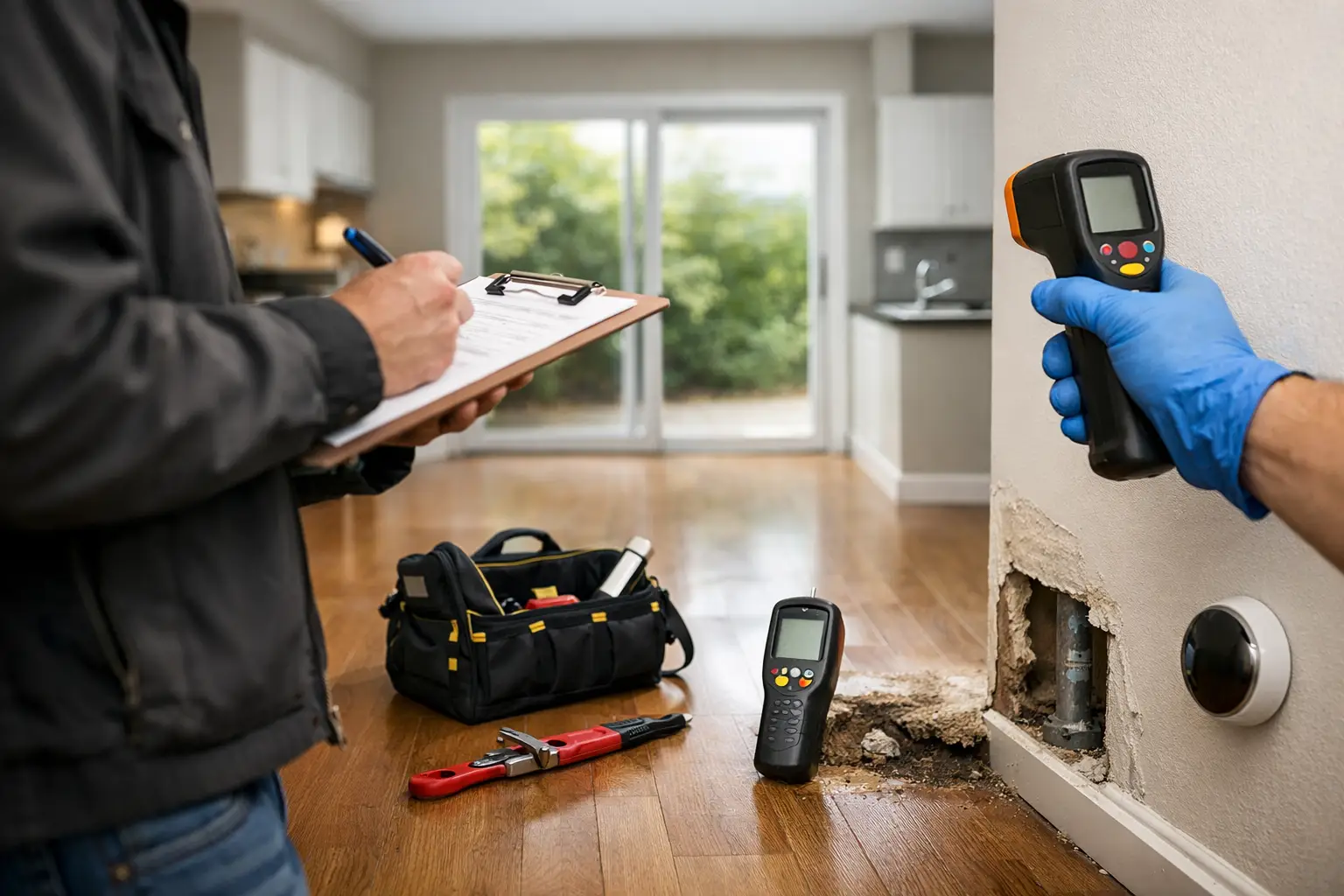
A luxury home can appear perfectly still while a small problem gains momentum behind the walls, above the ceiling, or beyond a locked gate. To prevent issues in vacant homes, owners need more than an occasional drive-by or a neighbor checking for packages. They need a disciplined system for observing the property, documenting its condition, and responding before a minor concern becomes a costly disruption.
For seasonal residents and multi-home owners, that system should protect both the residence and the standards it represents. A vacant home remains exposed to weather, mechanical failures, irrigation concerns, security vulnerabilities, and the simple wear that occurs when no one is present to notice a change.
Why Vacant Homes Need Professional Attention
Unoccupied properties do not receive the daily visual cues that protect an occupied home. A resident notices a damp cabinet, an unusual odor from the laundry room, a struggling air conditioner, or a pool level that has changed. When a home is vacant for weeks or months, those signals can go unaddressed.
In Scottsdale, Paradise Valley, and Fountain Hills, the climate adds its own considerations. Extreme summer heat places sustained demands on HVAC systems. Monsoon weather can expose roof, drainage, and landscape vulnerabilities. Irrigation failures may leave valuable plantings stressed, while an unnoticed leak can waste water and affect exterior finishes or foundations. A property can be secure at departure and still require attention days later.
The distinction is not whether an issue might occur. Every home has systems that can fail. The real question is how quickly someone qualified will identify the change, communicate it clearly, and coordinate the appropriate response.
Prevent Issues in Vacant Homes With Structured Inspections
A professional home watch service should follow a consistent inspection process rather than relying on a casual walkthrough. Structured inspections create accountability. They establish what was checked, when it was checked, what was observed, and what action was taken if anything required attention.
Begin with the exterior and security perimeter
The exterior is the home’s first line of protection and often where changing conditions are visible first. A careful inspection considers gates, doors, windows, garage access, outdoor lighting, visible roof concerns, drainage areas, landscape condition, and signs of storm impact or unauthorized activity.
Security is not limited to confirming that a door is locked. It includes looking for evidence that something has changed: a malfunctioning gate, a package left too long, a damaged screen, a light that is no longer operating, or debris that suggests a recent weather event. For a luxury residence, appearance matters as well. An unattended exterior can signal vacancy and compromise the home’s presentation within the community.
Check interior systems, not just rooms
Interior visits should be systematic, with attention to the systems most likely to create significant damage if overlooked. That includes checking for water intrusion around sinks, toilets, appliances, water heaters, and ceilings; observing the operation and settings of climate controls; and watching for unusual odors, humidity, or sounds.
Temperature and humidity deserve particular attention. Even in the desert, a poorly managed interior environment can affect wood finishes, art, furnishings, electronics, and stored belongings. The proper settings depend on the home’s construction, occupancy schedule, equipment, and owner preferences. Setting a thermostat and forgetting it is not a property protection plan.
A professional inspection also verifies that refrigerator, freezer, electrical, and alarm conditions appear normal where applicable. The goal is not to perform a contractor’s diagnosis. It is to detect an irregularity early, document it accurately, and bring in the right specialist before conditions worsen.
Treat water as an urgent risk category
Water is one of the most consequential concerns in a vacant residence because a small leak can travel far before it becomes visible. A supply-line failure, a slow drip beneath a vanity, an overflowing condensate line, or a pool-related issue may cause damage well beyond its source.
Owners should decide in advance how water will be managed during extended absences. In some homes, shutting off the main supply may be appropriate. In others, landscape irrigation, pool equipment, specialty systems, or local plumbing considerations may require a more tailored approach. The right decision depends on the property and should be reviewed with qualified professionals.
What matters most is that someone is regularly looking for the early indicators: staining, dampness, pooling, low water pressure, unexpected irrigation activity, or changes near mechanical equipment. Prompt detection preserves options. Waiting until a leak is obvious often means dealing with restoration rather than a straightforward repair.
Make Documentation Part of the Protection
Trust is essential, but clear documentation is what turns trust into verifiable accountability. A premium home watch program should provide time-stamped reporting and photos that allow an owner to understand the condition of the property without being physically present.
Good reporting does not overwhelm the owner with unnecessary detail. It provides a concise, organized record of the inspection, confirms the areas reviewed, and calls attention to exceptions. If a concern is found, the report should explain what was observed, the immediate recommendation, and the status of any response.
This record is valuable for more than peace of mind. It creates continuity over time. A recurring note about an irrigation zone, a pool equipment alert, or a developing roof concern can reveal a pattern that a single visit might miss. It also gives owners a dependable reference when coordinating with vendors, insurers, or property managers.
Have a Response Plan Before a Problem Appears
Finding a concern is only half the work. The quality of property oversight is measured by what happens next. A home watch provider should know who to contact, what level of approval is required, and how to manage access with discretion.
Before leaving, owners should establish practical decision-making guidelines. Identify preferred vendors where possible, provide current emergency contacts, clarify spending authorization, and communicate any special requirements for the home. This avoids preventable delays when a water heater, HVAC unit, gate, or security system needs immediate attention.
Vendor coordination should remain controlled and transparent. The provider can meet the vendor, provide access, observe the work area when appropriate, document completion, and report back to the owner. This is especially helpful for homeowners who do not want to manage scheduling, access codes, and follow-up from another state or country.
There is a trade-off to consider. Some owners prefer to approve every expense personally, while others authorize action up to a defined amount for urgent matters. Neither approach is inherently better. The right choice reflects the home’s complexity, the owner’s availability, and the cost of waiting when a genuine emergency arises.
Do Not Overlook Seasonal and Return Preparation
Vacant-home care should not end with inspections. The property should also be prepared for changing seasons and for the owner’s return. Seasonal oversight may include confirming that landscaping, pool service, pest control, and other recurring services are being completed to expectation. It can also mean monitoring storm aftermath, coordinating service visits, or adjusting preparation steps as the weather changes.
Return preparation is where white-glove service becomes especially valuable. A home should feel ready, not like a project waiting for its owner. Depending on the owner’s preferences, this may include adjusting climate settings, confirming utilities and systems are functioning, coordinating cleaning, receiving deliveries, or ensuring the residence is presentable before arrival.
The purpose is not simply convenience. A thoughtful return process allows the homeowner to arrive with confidence that the property has been observed, cared for, and prepared with the same attention they would expect if they had been there themselves.
Choose Oversight That Matches the Home
A basic check-in may be adequate for a modest property with few systems and short vacancy periods. A luxury residence, however, often has more complex mechanical equipment, detailed finishes, valuable contents, landscaping, pools, smart-home features, and higher expectations for privacy. The oversight should match that level of responsibility.
Look for a provider with a defined inspection protocol, consistent reporting, local vendor relationships, and a clear communication standard. Ask how concerns are escalated, how access is managed, and what documentation is provided after each visit. Precision is not an extra in this setting. It is the foundation of dependable care.
I Watch 4 You provides this level of structured, white-glove property oversight for owners who need their Scottsdale-area homes protected while they are away. The goal is straightforward: identify concerns early, handle the next steps professionally, and preserve the condition and readiness of an exceptional residence.
A vacant home should never be left to chance. With disciplined inspections, documented communication, and responsive local coordination, owners can be away from their property without feeling disconnected from its care.


One Comment