
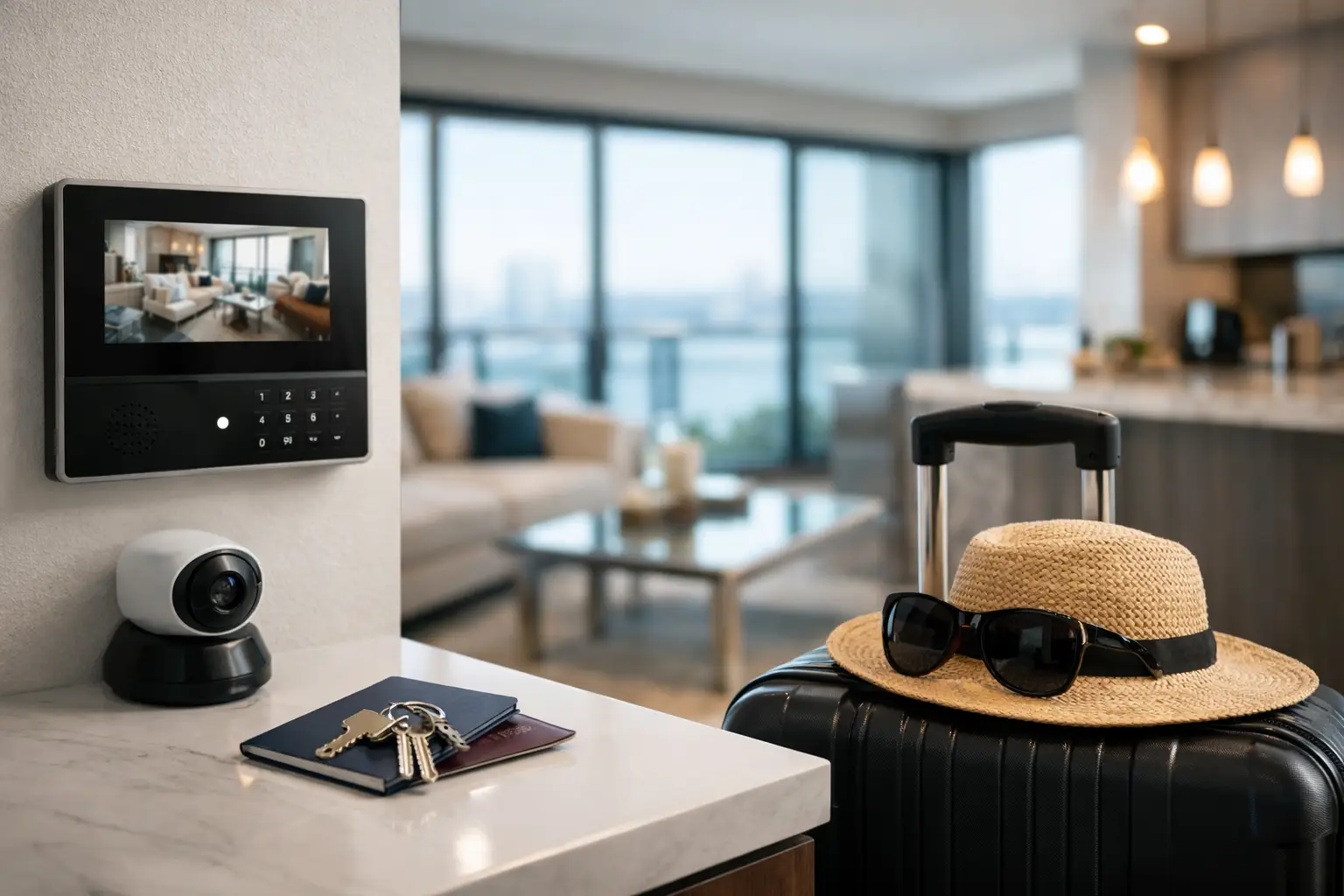
A luxury condo can appear perfectly secure from the street while a concealed issue is developing behind a cabinet, above a ceiling, or inside a mechanical closet. Knowing how to protect luxury condo systems is less about adding another camera and more about establishing disciplined oversight for the systems that continue operating when you are not there.
For seasonal and absentee owners, the greatest exposure is often not a dramatic event. It is a small leak, an HVAC drain issue, a failed thermostat, or an electrical concern that remains unnoticed long enough to affect finishes, furnishings, or neighboring residences. The standard of care should match the value of the home and the expectations of the building.
Begin with the systems that can cause the most damage
Every luxury condo has its own mechanical profile, but most risk begins with water, climate control, power, and access. A thoughtful protection plan identifies what is inside the residence, what is controlled by the HOA or building management, and where responsibility changes hands.
Water is typically the first priority. Supply lines beneath sinks, refrigerator connections, dishwasher hoses, water heaters, toilets, and washing machines deserve regular attention. A slow leak can travel unnoticed through cabinetry and flooring before it becomes visible. Where appropriate, an automatic water shutoff device can limit damage, but it should not replace physical observation. Shutoff systems require testing, and not every condo layout or association policy supports the same installation.
Climate control is equally consequential in Arizona. A malfunctioning HVAC system can create uncomfortable interior conditions, but the concern extends beyond temperature. Condensate drain lines, air handlers, filters, thermostats, and humidity conditions should be checked with precision. In a high-rise or tightly sealed condo, a system issue can also affect adjacent units or trigger a building response before an owner is even notified.
Electrical systems merit a measured approach. Unusual odors, tripped breakers, nonfunctioning outlets, appliance alarms, and irregular lighting may indicate an issue that needs professional attention. A home watch professional should observe and document concerns, then coordinate qualified service rather than attempt repairs outside their scope.
Understand the line between condo and building responsibility
One of the most common sources of delay is uncertainty about who is responsible for a problem. Your condominium association may maintain common plumbing risers, the roof, exterior walls, fire-life-safety equipment, elevators, and central systems. Yet a failure can still originate within your unit or create damage that spreads beyond it.
Before leaving for an extended period, review your governing documents and obtain current contact information for building management, security, maintenance, and emergency services. Ask specific questions: Who receives a water alarm? Who may authorize entry in an emergency? Is the building permitted to access your unit if a leak is suspected? Which systems are owner-maintained, and which are managed centrally?
This preparation is particularly valuable in luxury communities where building protocols are designed to preserve privacy and security. A trusted local representative can serve as an authorized point of contact, responding within the boundaries you establish and keeping communication orderly when time matters.
How to protect luxury condo systems with scheduled inspections
Technology provides useful alerts, but a structured in-person inspection remains the foundation of professional property oversight. Sensors can lose connectivity, batteries can fail, and an alert only helps if someone nearby can assess the situation promptly and discreetly.
A scheduled inspection should be systematic rather than casual. It should include visible checks of plumbing fixtures and cabinets, HVAC operation and drain areas, electrical panels as appropriate, appliances, windows and doors, interior temperature, signs of moisture, and any unusual sounds or odors. The exterior-facing components of balconies, doors, and windows should also be observed for storm-related concerns, subject to building access and rules.
Frequency depends on the residence, season, occupancy pattern, and building environment. A ground-level condo with extensive outdoor exposure may warrant different attention than a secured upper-floor unit. Summer departures, monsoon season, recent renovations, aging appliances, and a history of plumbing concerns are all reasons to consider more frequent visits.
The quality of the documentation matters as much as the inspection itself. Time-stamped photographs, clear written observations, and a consistent checklist create accountability. They also establish a useful record if a vendor, insurer, or association later needs to understand when an issue was first observed and what actions were taken.
Use smart technology as a second set of eyes
A refined protection plan pairs personal oversight with carefully selected technology. Water sensors under sinks and near water heaters can provide early warning. Smart thermostats can show whether the residence is maintaining its intended temperature range. Leak detection devices, monitored security systems, and appliance alerts can add another layer of awareness.
However, technology should be configured with care. Ensure notifications go to more than one authorized person, especially if you travel internationally or spend extended time in another time zone. Confirm that Wi-Fi equipment, hubs, and backup power arrangements are reliable. If your building’s internet service is interrupted, a Wi-Fi-only sensor may offer no protection at all.
Avoid treating every device as an automatic solution. An alert about moisture does not reveal whether the source is a minor spill, a failed supply line, or water entering from another unit. It takes a trained, local response to assess conditions, protect the residence, and communicate accurately with management and vendors.
Prepare the condo before each extended absence
A proper departure routine reduces avoidable risk. First, determine whether the main water supply should be shut off. This is often wise for an unoccupied residence, but it depends on the condominium’s plumbing arrangement, fire-suppression requirements, and the needs of appliances or building systems. Confirm the decision with building management and a qualified plumber when there is any uncertainty.
Set the thermostat to a stable, building-appropriate temperature rather than turning the system off entirely. Replace HVAC filters if needed, clear personal items from beneath sinks and mechanical closets so inspections are possible, and make sure smoke, carbon monoxide, and leak devices have fresh batteries or verified power.
It is also prudent to secure balcony furniture and inspect windows, sliding doors, and weather seals before monsoon weather. Even in a managed community, wind-driven rain and debris can expose weak seals or drainage issues. These details are easy to overlook during a rushed departure and costly to ignore.
Establish a response plan before an alert arrives
The best time to decide who can approve a plumber, meet an HVAC technician, or communicate with the association is before a problem occurs. Create a concise authorization plan that identifies your preferred vendors, spending limits, insurance contacts, building management contacts, and the individuals permitted to enter the residence.
For many owners, the most valuable service is not simply receiving a report. It is having a trusted professional take the next appropriate step. That may mean documenting a concern, coordinating access, supervising a vendor visit, confirming the repair, and providing follow-up photographs. This level of coordination protects both the property and your time.
I Watch 4 You provides this type of white-glove oversight through structured inspections and detailed HomeWatchIT® reporting for luxury homeowners who need reliable local accountability while away. The objective is not to create unnecessary alarm. It is to identify exceptions early, handle them with discretion, and keep the owner fully informed.
Keep vendor access controlled and documented
Luxury condo owners often rely on cleaners, technicians, designers, delivery teams, and building personnel. Each visit introduces an access and accountability consideration. Avoid leaving open-ended access arrangements whenever possible. Use building-approved entry procedures, confirm appointments, and ensure that someone can verify the residence was secured after work is complete.
For substantial repairs or installations, request before-and-after documentation and retain invoices, warranty details, and service notes in one accessible record. This is especially helpful when a property is occupied only seasonally. A future technician should not have to guess what was repaired, when it was repaired, or whether a recommended follow-up was completed.
A well-protected condo is not one that never experiences a maintenance issue. It is one where a small concern is seen early, evaluated correctly, and handled with the calm precision the residence deserves.

