
Estate Oversight Versus House Sitting Compared
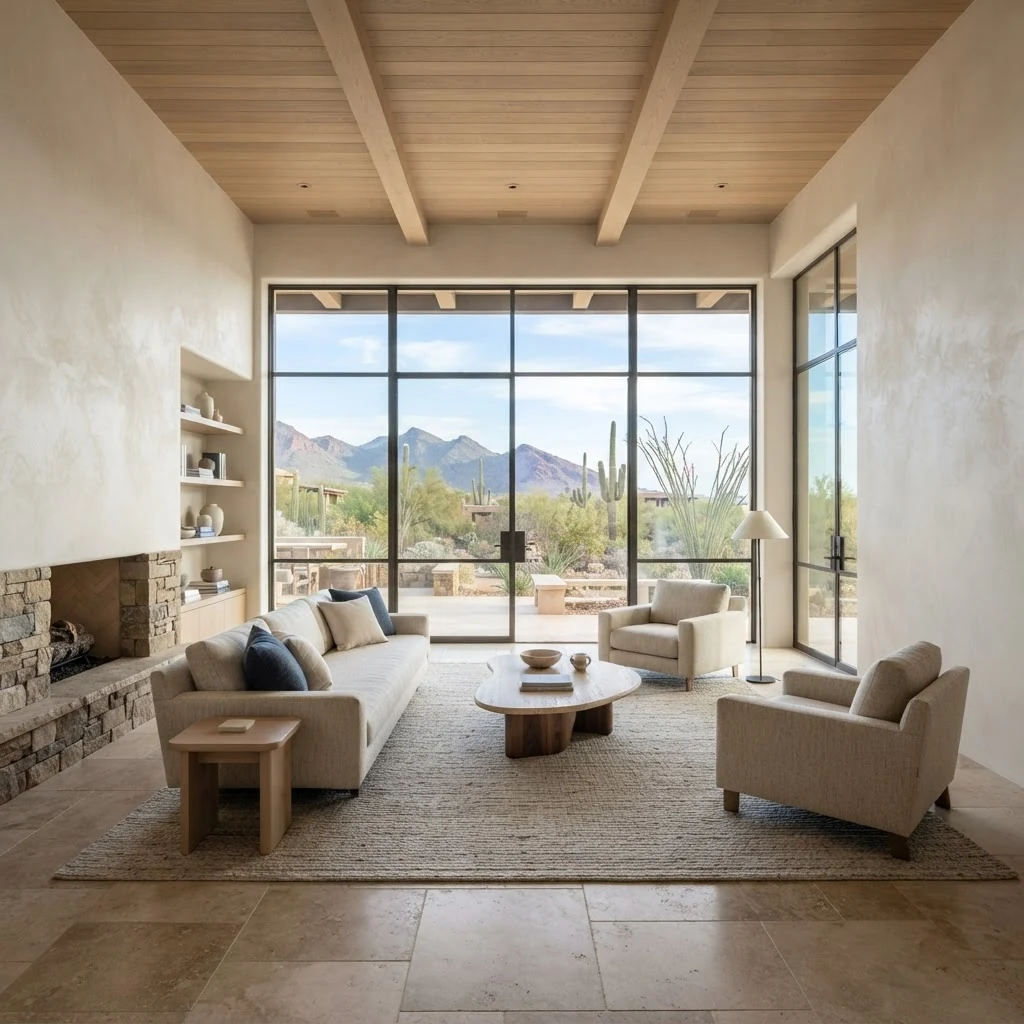
A luxury residence can appear perfectly secure from the street while a small interior concern is quietly becoming expensive. A drip beneath a sink, a failed irrigation valve, an air-conditioning alert, or a storm-blown gate may not be visible to a neighbor or occasional visitor. That is the practical distinction at the center of estate oversight versus house sitting: one is designed around professional accountability for an unoccupied asset; the other is primarily an arrangement for someone to occupy or casually check a home.
For homeowners who spend months away from Scottsdale or Fountain Hills, the choice deserves more consideration than the phrase "someone will keep an eye on it" suggests. The right service should reflect the value of the residence, the complexity of its systems, and the level of documentation you expect when you are not there to see conditions firsthand.
Estate Oversight Versus House Sitting: The Core Difference
House sitting usually means a person stays in the home, visits periodically, collects mail, feeds pets, waters plants, or creates the appearance of occupancy. It can be a sensible solution for a modest home, a short absence, or a property with few systems requiring attention. A trusted friend, family member, or experienced sitter may provide genuine comfort in the right circumstances.
Estate oversight is a professional property-protection service built for a different responsibility. It centers on structured interior and exterior inspections, observation of key systems and conditions, time-stamped reporting, issue escalation, and coordination with qualified vendors when an exception is found. The home does not simply have a presence. It has a documented standard of care.
That distinction matters because occupancy is not the same as inspection. A sitter may notice an obvious problem while making coffee or taking out trash. A trained property oversight professional works through a defined process intended to identify concerns that are easy to miss: unusual humidity, signs of leakage, changes in pool equipment, irrigation issues, pest activity, power interruptions, or a security concern at an exterior access point.
What a House Sitter May Do Well
House sitting should not be dismissed. If a homeowner needs pet care, wants the home occupied during a brief trip, or has a simple property and a person they trust completely, it may be the most appropriate arrangement. A sitter can bring a lived-in rhythm to the home, receive deliveries, and offer immediate human presence.
The trade-off is consistency and scope. House sitters are generally not engaged under a formal inspection protocol, and their availability, experience, and attention to detail can vary widely. They may not know what normal operating conditions look like for a luxury residence, how to recognize an early warning sign, or which issue requires immediate action rather than a note for later.
There is also a privacy consideration. Having someone live in a residence may be uncomfortable for owners who value discretion, maintain personal collections, or prefer that private spaces remain untouched while they are away. Even a well-intentioned sitter introduces a different level of access, use, and liability than a professional oversight visit.
What Professional Estate Oversight Is Designed to Protect
A well-managed seasonal residence requires more than a quick walkthrough. Professional estate oversight applies a repeatable inspection process so that each visit has purpose, each observation has context, and each concern has a clear path to resolution.
At I Watch 4 You, this approach is supported by HomeWatchIT® reporting, providing homeowners with clear, time-stamped photographs and documentation following structured inspections. That record is not merely reassuring. It creates accountability. An owner can review what was checked, understand what was observed, and see when a developing issue was identified and addressed.
For a high-value property, this level of precision helps protect both the home and the owner’s time. If an issue arises, the homeowner does not need to begin calling from another state, wonder who can access the property, or try to assess a situation through a vague text message. A professional oversight relationship provides a local point of contact who can communicate clearly, coordinate access, and follow the matter through.
Early Detection Is Often the Most Valuable Service
The most serious home issues rarely announce themselves at the beginning. A minor plumbing leak can become moisture damage. A pool equipment concern can affect water quality or mechanical components. A malfunctioning HVAC system can create uncomfortable or damaging interior conditions, particularly during Arizona’s extreme heat.
Professional inspections are valuable because they are proactive. The goal is not to promise that nothing will ever go wrong. No responsible service can make that promise. The goal is to find irregularities early, document them accurately, and act with appropriate urgency before a small exception becomes a significant disruption.
This is particularly relevant for residences that sit vacant through monsoon season, periods of high heat, or extended stretches with little owner visibility. Exterior elements, landscaping, irrigation, rooflines, gates, and drainage can all require attentive observation. Inside, plumbing fixtures, appliances, electrical indicators, climate conditions, and signs of pest or water intrusion deserve the same disciplined attention.
Vendor Coordination Requires Local Judgment
A house sitter may be willing to let a plumber in. Estate oversight takes a more managed approach to vendor access. It involves coordinating the appropriate professional, providing access when authorized, documenting the concern, monitoring the work when requested, and communicating status back to the homeowner.
The difference is substantial when you are several states away. Vendor coordination is not simply opening a door. It is knowing when a service call is warranted, maintaining a record of what occurred, and helping preserve continuity among the professionals who care for the property. For owners with established contractors, this can mean protecting trusted relationships. For owners who need support, it can mean avoiding a rushed decision during an unexpected event.
The Return Experience Is Different, Too
Many homeowners only recognize the value of professional oversight when they return. With house sitting, the handoff may be informal: the sitter leaves, keys are returned, and the owner discovers the home’s condition independently. With estate oversight, return preparation can be part of the service experience.
Concierge-level return support may include preparing the residence for arrival, confirming that essential systems are operating as expected, coordinating requested services, and helping ensure the home feels ready rather than dormant. After travel, especially for a seasonal resident arriving with family or guests, that level of readiness is not a minor convenience. It is part of enjoying the home from the first evening back.
The appropriate level of preparation depends on the owner’s preferences. Some want only a carefully inspected, secure residence. Others want the refrigerator stocked, the pool attended, vehicles considered, and selected services scheduled before they arrive. The value lies in having a trusted local professional who understands the standard and can execute it discreetly.
Choosing the Right Arrangement for Your Home
The choice between estate oversight and house sitting should be based on risk, not simply cost. Consider the length of your absence, the home’s value, its age and systems, whether it includes a pool or extensive landscaping, how quickly you can return if a problem occurs, and whether you require formal documentation. A condominium may have building support, but it can still benefit from interior checks and coordination. A large estate may require more frequent attention because its systems and grounds create more points of exposure.
House sitting may suit a short trip, pet-care needs, or a simple home with an exceptionally trusted occupant. Professional estate oversight is generally the stronger fit for luxury residences left vacant for weeks or months, especially when the owner expects privacy, disciplined reporting, and a responsive local advocate.
Ask any prospective provider how inspections are performed, what is included in each visit, how findings are reported, what happens when an urgent concern is discovered, and how vendor work is managed. Clear answers reveal whether you are receiving true property oversight or simply an informal check-in service.
A home that represents years of work, family memories, and significant investment deserves more than hopeful observation. Whether you are away for a season or an extended period, choose the level of care that lets you return to a residence that has been watched with the same precision and respect you would expect if you were home.


