
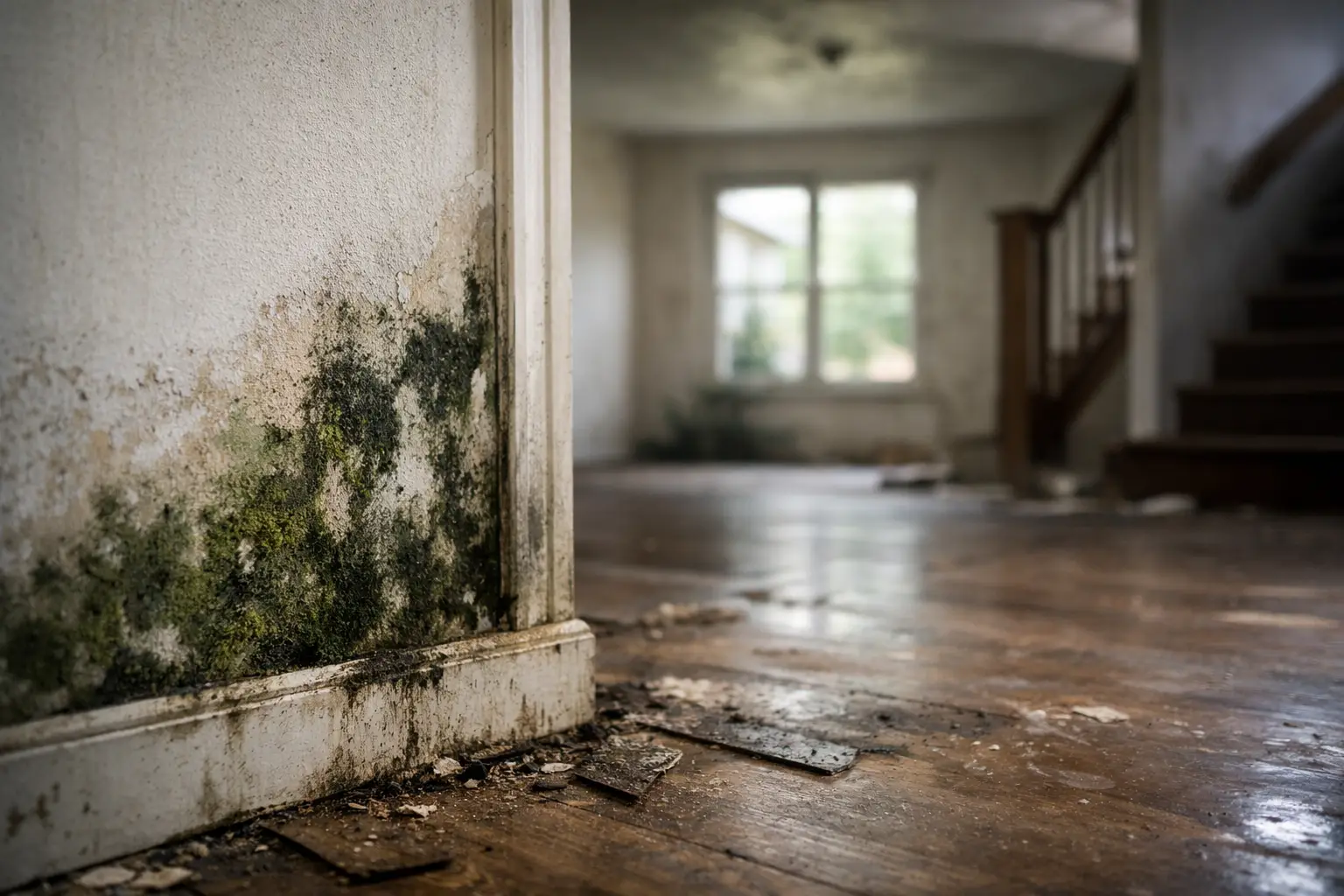
A Scottsdale residence can appear perfectly secure from the street while a slow plumbing leak dampens a cabinet base, an air-conditioning drain line backs up, or humid outdoor air enters through an unsealed opening. Can vacant homes develop mold? Absolutely. In fact, an unattended home may give a small moisture issue more time to become a costly, disruptive problem before anyone sees it.
Mold does not require a dramatic flood or visible standing water. It needs moisture, a surface to grow on, and time. Luxury homes often contain plentiful materials that can support growth when damp – drywall, wood cabinetry, paper-faced insulation, carpeting, furniture backing, and stored linens. When an owner is away for weeks or months, the difference between a minor maintenance concern and a remediation project is often the absence of prompt discovery.
Why vacant homes are vulnerable to mold
An occupied home benefits from ordinary human observation. Someone notices a musty smell, hears an HVAC system running differently, sees condensation on a window, or finds a wet spot near a sink. In a vacant property, those early warnings can go unnoticed.
The most common source is not necessarily a major pipe break. A pinhole leak behind a refrigerator, a failed ice-maker supply line, a dripping water heater relief valve, or a slowly leaking toilet connection may release enough moisture to saturate surrounding materials over time. If the water remains confined behind cabinetry, under flooring, or inside a wall, the damage can be extensive before it becomes visible.
Air-conditioning systems also deserve close attention in Arizona. A properly operating system helps manage indoor temperature and moisture, but a clogged condensate drain, malfunctioning float switch, or equipment failure can create water where it should not be. During monsoon season, wind-driven rain and brief periods of elevated outdoor humidity can expose weaknesses around roof penetrations, windows, doors, and exterior drainage.
A home that is closed tightly for an extended period is not automatically protected. Stagnant indoor air can allow odors and moisture concerns to linger, especially in closets, bathrooms, laundry rooms, and less frequently used guest suites. The risk depends on the home’s construction, its HVAC performance, local weather, the condition of plumbing and roofing systems, and how long the property is left without professional oversight.
The conditions that allow mold to take hold
Mold can begin developing on damp materials surprisingly quickly, sometimes within 24 to 48 hours. That does not mean every damp surface will become a serious mold problem. Drying speed, airflow, temperature, and the amount of water involved all matter. Still, the practical standard for an unattended residence is straightforward: moisture needs to be identified and addressed without delay.
Bathrooms are especially susceptible because of supply lines, drain connections, caulking failures, and exhaust ventilation. Kitchens have their own hidden vulnerabilities beneath sinks, behind dishwashers, and around refrigerator water lines. Utility rooms, mechanical closets, garages, and areas below rooflines merit the same careful attention.
High-value finishes can complicate the response. Natural wood cabinetry, custom millwork, premium flooring, area rugs, and upholstered furnishings may absorb moisture or conceal damage. Prompt action can preserve these materials. Delayed action may require demolition, remediation, replacement, and careful coordination with specialty vendors.
A vacant-home mold risk assessment starts with systems
A sound prevention plan begins before departure. Homeowners should confirm that plumbing, HVAC, roofing, and drainage systems are in good operating condition, particularly if the home has been vacant before or has a history of leaks. Water sensors and monitored leak-detection devices can provide another layer of protection, but they are not a substitute for physical inspection. A sensor may not be placed where the problem occurs, may lose connectivity, or may not identify moisture hidden inside a wall.
Temperature settings should be chosen with the home and season in mind. Turning off air conditioning entirely may appear economical, but it can introduce avoidable risks to interiors, furnishings, and certain building systems. There is no single setting that suits every property. The appropriate approach depends on the residence’s insulation, solar exposure, equipment, occupancy schedule, and manufacturer recommendations for sensitive materials or appliances.
Some owners elect to shut off the main water supply before an extended absence. This can meaningfully reduce the risk of a supply-line leak, although it may not be practical for every home. Irrigation, pool equipment, water treatment systems, ice makers, fire suppression systems, and other features may require water service or a more tailored shutoff strategy. A qualified professional can help determine what is appropriate without creating a new operational issue.
Professional property oversight catches what technology misses
Remote thermostats, cameras, and leak sensors are useful tools. They offer visibility and alerts, but they do not open a vanity cabinet, inspect a ceiling corner, assess an unfamiliar odor, or determine whether a small stain is active. They also cannot coordinate access, document conditions for an owner, or meet a restoration professional when a problem requires immediate attention.
That is where structured home watch visits provide meaningful protection. During a professional inspection, a trained property representative can look for evidence of water intrusion, examine plumbing areas for visible leaks, observe HVAC operation, check ceilings and walls for staining, and note unusual humidity, odors, or changes in the home’s condition. Exterior observations matter as well, including roofline concerns, storm-related debris, drainage issues, and signs that water is entering where it should not.
For discerning homeowners, documentation is part of the value. Time-stamped photo reporting establishes a clear record of each visit and gives the owner a reliable view of the property’s condition. If a concern is discovered, responsive vendor coordination helps move the issue from observation to resolution quickly and with appropriate accountability.
I Watch 4 You provides this type of white-glove oversight for seasonal and absentee homeowners who expect their Scottsdale, Paradise Valley, or Fountain Hills residence to be treated with the same care they would give it themselves.
What to do if mold or moisture is discovered
A musty odor, visible discoloration, bubbling paint, warped baseboards, or damp flooring should be treated as a moisture investigation, not merely a cosmetic concern. The immediate priority is to stop the water source if one is present and prevent further spread. Depending on the extent of the issue, that may involve shutting off a local fixture valve or the main water supply, arranging HVAC service, or bringing in a qualified water-damage or mold-remediation professional.
Avoid assuming that bleach or surface cleaning resolves the problem. If drywall, insulation, carpet padding, cabinetry, or other porous materials have remained wet, moisture and microbial growth may exist beyond the visible area. Proper drying, assessment, and remediation protect both the home and the owner’s investment.
The response should also be documented. Photographs, inspection notes, vendor findings, and invoices can be valuable for insurance discussions, warranty claims, future maintenance planning, and determining whether the property needs closer monitoring after repairs are complete.
Preventing mold between visits
The strongest defense is a layered one: sensible system settings, preventative maintenance, leak detection where appropriate, and consistent in-person checks. Before leaving, remove perishables and damp textiles, verify that windows and exterior doors are secure, ensure bathroom exhaust fans are not left running unnecessarily, and confirm that gutters, drains, and landscaping are directing water away from the residence.
During an extended absence, inspections should be frequent enough to match the property’s risk profile. A newer condominium with building-managed systems may need a different schedule than a large custom home with a pool, extensive landscaping, multiple HVAC zones, and complex plumbing. Summer heat, monsoon weather, recent repairs, and the age of the home can all justify more frequent visits.
A vacant home should not have to be a question mark while its owners are away. Consistent, documented attention gives small signs of moisture a chance to be addressed while they are still small – protecting the condition, comfort, and return-ready standard of a home that deserves nothing less.

