
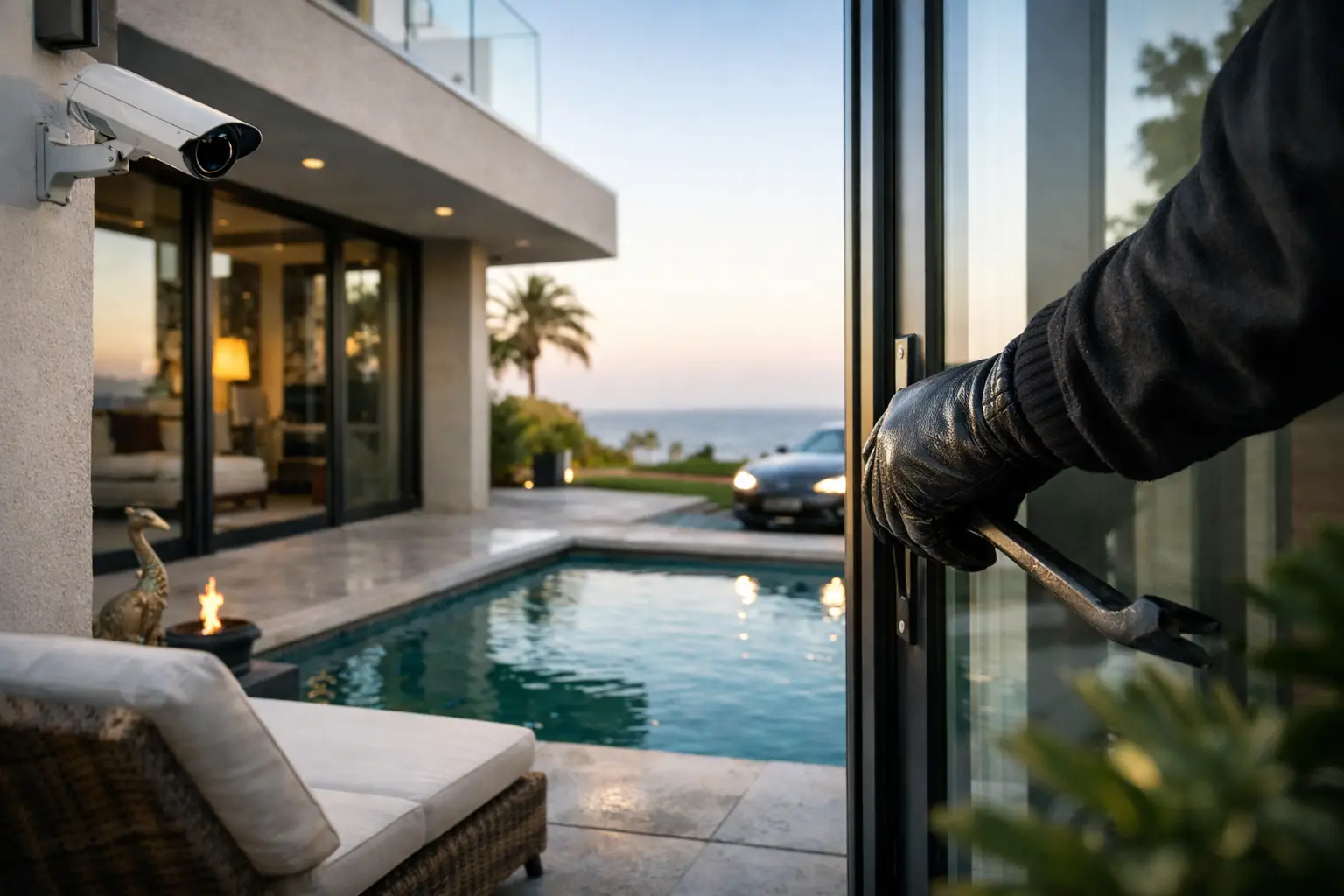
A luxury residence can look perfectly secure from the street while a small issue develops quietly behind its walls. That is the central concern behind the top risks for unattended luxury residences: most costly losses do not begin as dramatic emergencies. They begin as a slow drip beneath a sink, an HVAC alert no one sees, a garage door that does not fully close, or a monsoon storm that exposes a vulnerable area of the roof.
For owners who spend months away from Scottsdale, Paradise Valley, or Fountain Hills, the goal is not simply to have someone stop by. It is to maintain professional property oversight that catches changes early, documents conditions clearly, and ensures the residence remains protected, presentable, and ready for your return.
Top Risks for Unattended Luxury Residences
Water damage that remains hidden
Water is often the most expensive threat to an unattended home because it can travel far before it becomes visible. A failed ice maker line, leaking toilet supply valve, aging water heater, or minor roof intrusion can affect cabinetry, flooring, drywall, millwork, and electrical systems. In a high-value residence, the repair may also involve specialty finishes, custom stone, imported materials, or carefully matched paint and flooring.
Turning off the main water supply can reduce exposure, but it is not a universal answer. Some homes have landscape irrigation, pools, water features, fire-suppression systems, or equipment that requires a deliberate shutoff plan. The right approach depends on the property and should be established before departure, not during an incident.
A structured interior inspection looks beyond obvious standing water. It checks for unusual odors, moisture around plumbing fixtures, water heater concerns, staining, cabinet-floor changes, and signs that a system has been operating abnormally. Early detection may turn a restoration project into a straightforward repair.
HVAC failures and Arizona heat exposure
Air conditioning is not merely a comfort feature in a desert residence. It helps protect the home itself. Extended heat exposure can strain refrigeration equipment, affect indoor finishes, dry wood components, and create uncomfortable conditions for electronics, art, wine storage, and other temperature-sensitive belongings.
A system can fail without a dramatic warning. A tripped breaker, clogged condensate line, thermostat issue, or aging component may leave the home without cooling for days. High indoor temperatures can also reveal secondary problems, including humidity concerns from a malfunctioning system or excessive stress on appliances.
Owners should decide on an appropriate vacant-home temperature setting with guidance from their HVAC professional. Lower settings may offer added protection for certain interiors, but they can increase energy use and equipment run time. The prudent choice balances the home’s construction, contents, occupancy pattern, and system capacity. Regular observation of thermostat readings, condensate areas, filters, and visible equipment conditions adds a meaningful layer of protection.
Monsoon storms, wind, and exterior deterioration
The desert climate can be deceptively hard on a vacant property. Intense sun, wind, dust, sudden rain, and monsoon activity can change exterior conditions quickly. A minor roof concern, loose tile, blocked drain, aging sealant, or unsecured patio item may become more serious after a storm.
Exterior inspections should assess more than curb appeal. They should include gates and perimeter access, roofline observations from the ground, drainage areas, windows, doors, screens, exterior lighting, pool and landscape conditions, and signs of storm-related debris or damage. For a luxury property with extensive outdoor living areas, this may also include outdoor kitchens, shade structures, water features, and high-end furnishings.
Not every exterior issue requires immediate repair. A small area of weathering may be appropriate to monitor, while a compromised roof element or downed branch may require prompt vendor coordination. The distinction comes from experienced observation, clear documentation, and a willingness to act when the condition warrants it.
Security gaps that invite unwanted attention
Luxury homes can draw attention when they appear unoccupied. Packages left in view, a dark entryway, an open side gate, a malfunctioning landscape light, or an unfamiliar vehicle can create an impression that no one is monitoring the property.
Security is not only about alarms and cameras. It is also about visible stewardship and careful verification. During a professional property visit, doors, windows, garage access points, gates, and obvious perimeter conditions should be reviewed consistently. A thoughtful inspection process can identify changes that a remote camera angle may not capture, such as an unlocked service door, a damaged screen, or evidence of attempted access.
Discretion matters here. A home watch provider should avoid public discussion of travel schedules, property details, or access procedures. The same standard applies to vendor coordination: only trusted professionals should be granted access, and their work should be confirmed afterward.
Pool, spa, and landscape equipment failures
Pools, spas, irrigation systems, and landscape features can become costly liabilities when they run without oversight. A failing pump, low water level, chemical imbalance, irrigation leak, or timer malfunction may damage equipment, waste significant water, or affect landscaping before the owner returns.
The risk is particularly relevant in Arizona, where heat can accelerate evaporation and place additional demand on pool and irrigation equipment. Mature landscaping and carefully designed outdoor spaces are meaningful investments. A broken irrigation line may not only affect utility costs but can undermine hardscape, damage plantings, or create water accumulation near the home.
A property inspection does not replace specialized pool or landscape service. It does, however, provide an additional set of observant eyes. If an equipment sound changes, water levels appear unusual, a control panel shows an alert, or landscape areas show distress, the appropriate vendor can be engaged before the concern grows.
Appliance, electrical, and smart-home malfunctions
Smart-home technology provides useful visibility, but it is not a substitute for a physical inspection. Notifications can be missed, devices can lose connectivity, batteries can fail, and an alert may tell you that something changed without showing why.
Refrigerators, freezers, wine coolers, garage-door openers, security panels, generators, and connected lighting systems all deserve consideration in a vacant-home plan. A freezer failure can cause sanitation issues. A garage door that reverses or fails to close can affect security. A tripped circuit may interrupt multiple systems at once.
The most effective approach combines reliable technology with in-person confirmation. Time-stamped photo reporting gives owners a documented view of key conditions and creates accountability over the course of an extended absence. It also provides useful context when a vendor needs to diagnose a developing issue.
Unmanaged vendor access and incomplete repairs
Many property problems are not caused by the initial failure. They become more complicated when access, repairs, and follow-up are poorly coordinated. A vendor may complete a repair but leave a gate unsecured, overlook a related issue, or need clarification that no one provides promptly.
For absentee owners, vendor coordination should be treated as a controlled process. The property needs secure access, clear instructions, confirmation that work was performed, and a post-service review when appropriate. This is especially valuable when a repair involves water, electrical systems, HVAC equipment, roofing, or other areas where visible confirmation can prevent lingering uncertainty.
White-glove property oversight means managing the details without requiring the homeowner to become a remote project manager. It also means recognizing when a concern needs a qualified specialist rather than an improvised solution.
A Better Standard Than an Occasional Walkthrough
The frequency of home watch visits should reflect the residence, season, systems, and owner’s tolerance for risk. A condominium with building-managed exterior systems may need a different plan than an estate with a pool, extensive landscaping, multiple HVAC zones, and outdoor entertaining areas. Longer absences, monsoon season, aging equipment, and prior maintenance concerns all support more frequent oversight.
What matters most is consistency. Each visit should follow a structured process rather than depend on memory or a casual glance around the property. Detailed, time-stamped reporting allows owners to see what was observed, what changed, and what action was taken. This level of documentation turns home watch from a courtesy visit into a professional protection strategy.
I Watch 4 You approaches vacant-home care with that standard of precision, combining structured inspections, responsive vendor coordination, and return-preparation support for owners who expect their residence to be maintained with discretion.
Before leaving for an extended period, walk through your home as if you will not see it again for several months. Consider every water source, access point, climate-control system, exterior feature, and service relationship. A thoughtful plan will not eliminate every risk, but it gives small concerns far less time to become expensive surprises.

